Trailer training: what a course actually covers
7 Sep 2026 · by Jérémy Vaucher
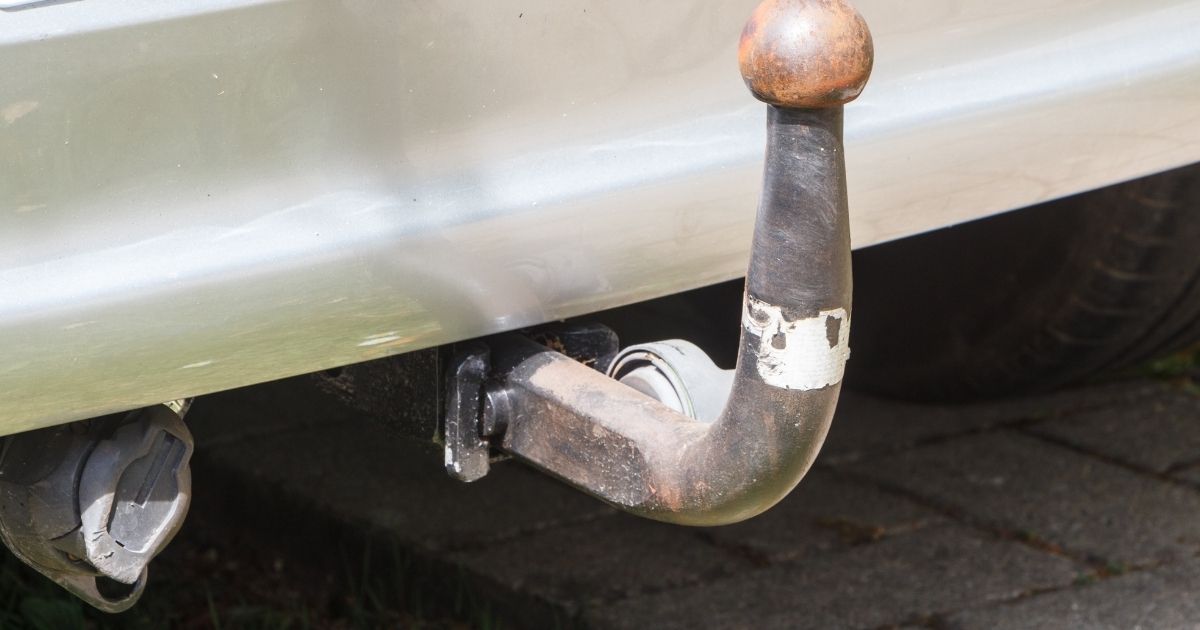
Since December 2021, drivers in Great Britain have not needed to pass a separate towing test to pull a trailer up to 3,500 kg. The entitlement arrives on the licence automatically. What disappeared was the test, not the skill, and that is exactly the gap voluntary trailer training fills.
Here is what those courses actually cover, who benefits, and how to judge whether one is worth your day.
Why training still matters
Reversing an outfit, judging a swept path at a junction, loading for stability and setting noseweight are not intuitive. Nobody is born knowing them, and the first attempt is rarely on a quiet forecourt: it usually happens on a busy campsite with an audience.
A structured day removes that. It also tends to correct the habits picked up from a friend or a relative, which are often close to right but not quite.
What a typical course covers
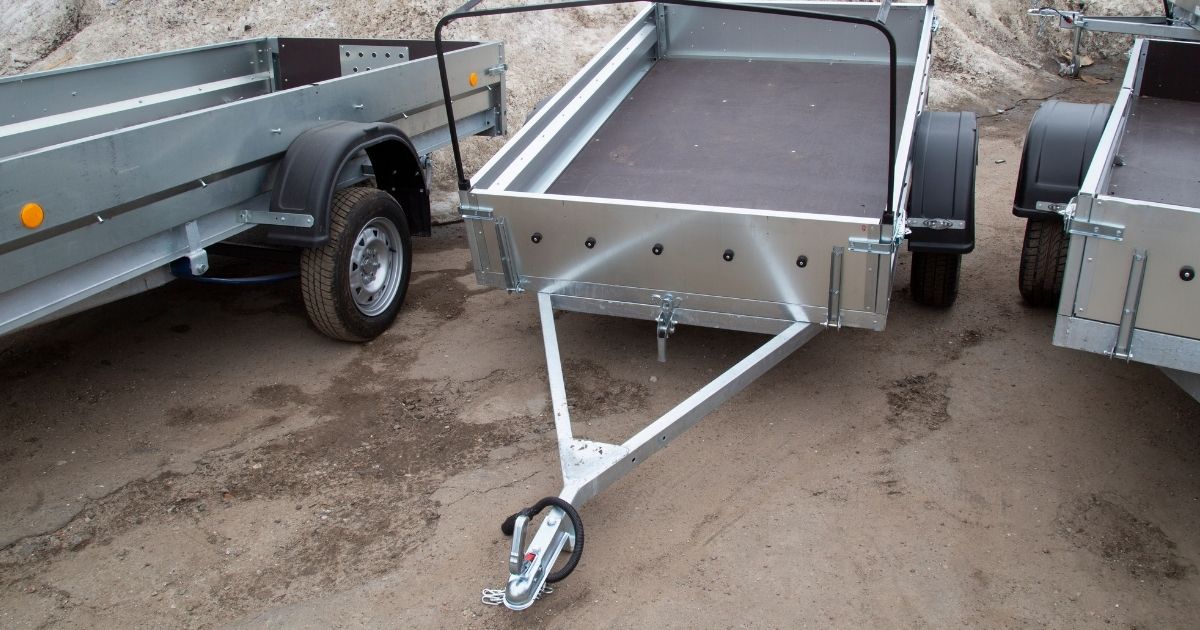
- Hitching and unhitching properly, including the breakaway cable and the safety checks.
- Loading: heavy items low and near the axle, and the effect on noseweight.
- Reversing, the part everyone comes for, with a method rather than luck.
- Manoeuvring and parking, including tight pitches and awkward entrances.
- On road driving: swept path, overtaking, braking distances, motorway behaviour.
Accredited schemes exist specifically for towing, and many caravan clubs run their own. Look for a course using an outfit close to yours: training with a small unbraked trailer teaches little if you tow a twin axle caravan.
What training does not change
No course lifts a vehicle limit. The braked towing capacity of your exact engine, the gross train weight and the noseweight ceilings stay exactly where they were. Those are covered in working out your towing capacity.
Nor does it change the 3,500 kg trailer ceiling on a category B licence. Beyond that figure you are into lorry entitlements, whatever training you have taken.
Before you buy, not after
The most useful order is: decide what you want to tow, check the figures for the car, then book training before the first long trip. Buying first and discovering the outfit is unwieldy is a more expensive sequence.
The pages on this site give gross vehicle weight and capacity engine by engine, for instance on the Skoda Kodiaq, the Peugeot 5008 or the Kia Sorento.
The stability side
A good course spends real time on weight distribution, because that is where most incidents begin. The relationship between caravan weight and car weight is summed up by the 85 per cent guideline, and the practical loading method is in loading a caravan properly.
Judging a course
- Ask what outfit is used, and whether it resembles yours.
- Check the group size: reversing practice needs seat time, not spectating.
- Confirm how much of the day is on the road rather than on a pad.
- Ask whether pre departure checks and noseweight measurement are included.
Common questions
Is training compulsory? No, not in Great Britain since the December 2021 change. It is voluntary and widely recommended.
Will it lower my insurance? Some insurers recognise accredited towing training. It is worth asking before renewal.
Does it help abroad? The driving skills travel; the rules do not. Check the local requirements first, as covered in towing abroad.
Practising on your own
A training day gives you the method, repetition makes it yours. The first few weeks matter more than the course itself, and they cost nothing.
- Find an empty car park on a quiet morning and reverse until the steering inputs stop feeling backwards.
- Practise hitching and unhitching on a slope, which is where jockey wheels and handbrakes get tested.
- Drive a familiar route with the outfit before doing an unfamiliar one.
- Measure noseweight at home rather than discovering it on the road.
Bring your own outfit to the course if the provider allows it. A day spent on very different equipment teaches the technique but not the visual references, and those references are half the job.
Insurance and outfit checks
Ask your insurer two specific questions: whether the caravan or trailer is covered while hitched, and whether accredited training affects the premium. Answers vary widely between providers, and neither question is usually raised at quote time.
Then build the habit of systematic pre departure checks. That is what separates a trained driver from a merely entitled one, and it takes five minutes, as set out in the pre departure checklist.
How long before it feels natural
The question comes up constantly: after a course, are you actually competent? For driving in a straight line, yes, quickly. Swept path becomes instinctive within a few dozen miles, and braking distances are learned by driving.
For reversing, expect several sessions. The movement is counterintuitive, it rewards small early corrections rather than big ones, and it depends heavily on drawbar length: a short trailer reacts fast, a long caravan forgives more but takes longer to come back.
The best investment remains an hour in an empty car park, with no audience and no pressure, repeating the same manoeuvre until the direction of the correction stops needing thought.
In short
The test requirement has gone, so the responsibility now sits entirely with the driver. A day of proper training is the cheapest insurance against the two situations that ruin holidays: a reversing manoeuvre that will not come together, and an outfit that starts to snake. Always check the V5C logbook before towing.