Towing abroad: what to check before you leave
4 Sep 2026 · by Jérémy Vaucher
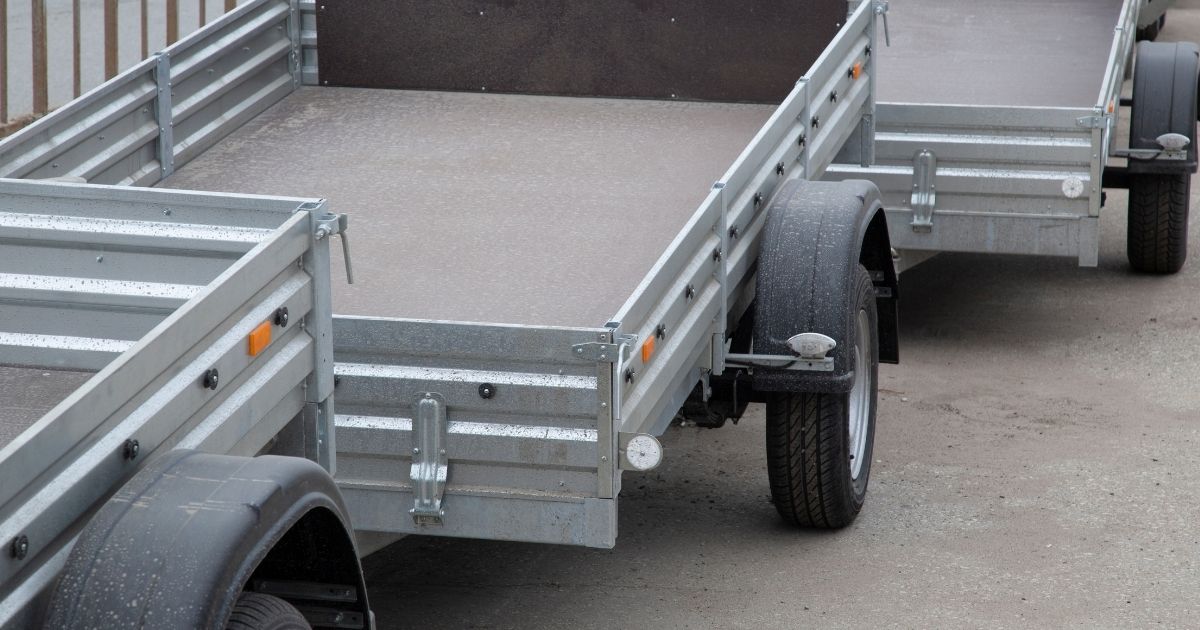
Crossing a border with a caravan changes nothing about the car and a great deal about the legal framework. Speed limits, compulsory equipment, toll classes, rear markings: every country has its own rules, and none of them can be guessed.
Here is how to prepare a trip abroad without nasty surprises, and the points to check every time.
What never changes
Your technical limits travel with you. The approved towing capacity of your engine, the gross train weight, the gross vehicle weight and the permitted noseweight apply wherever you are. No border crossing raises those ceilings.
Nor do your documents change: the V5C, the trailer paperwork where it exists, your licence and your insurance certificate. Keep them accessible, because outfit checks do happen.
What changes from country to country
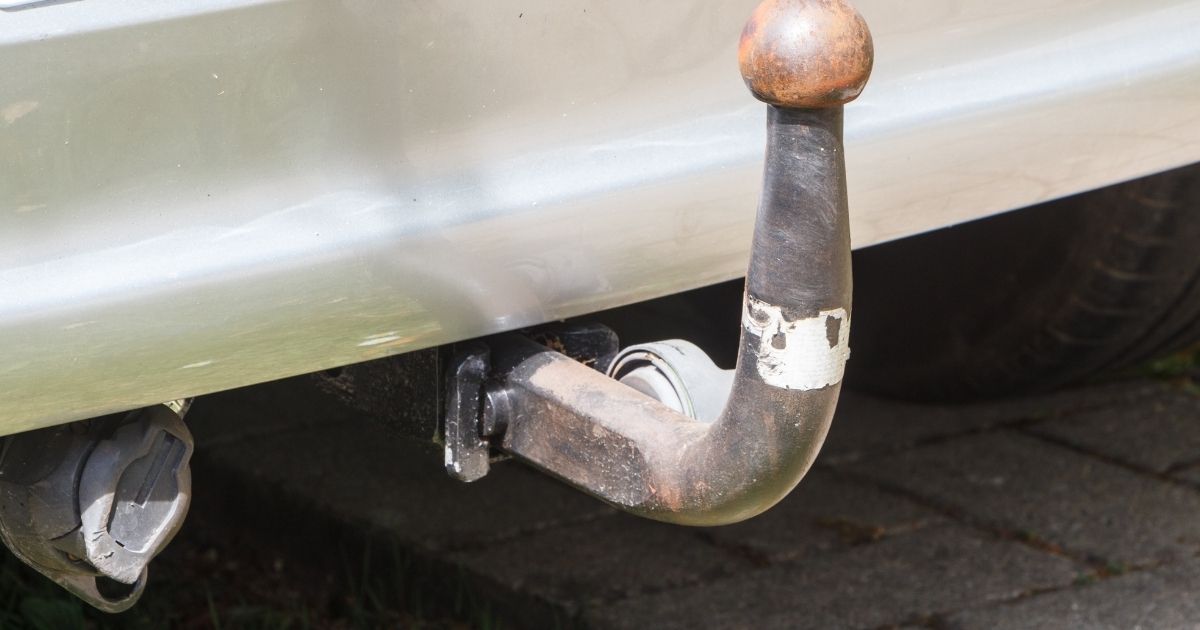
- Speed limits for outfits, frequently lower than for solo cars and sometimes varying by road type.
- Compulsory on board equipment, which differs noticeably across Europe.
- Rear markings required on some combinations, including specific devices in certain countries.
- Toll classes, since a caravan usually pushes the outfit into a higher category.
- Traffic restrictions on certain dates, certain routes or inside low emission zones.
- Parking and overnight stopping rules, which vary widely and are often local.
These rules change over time. That is why this article deliberately quotes no country by country figures: an out of date number would be worse than none.
Where to find reliable information
- Official sources for the country concerned, especially road safety and transport ministry sites.
- Government travel advice pages, which usually summarise driving requirements.
- Caravan clubs and federations, useful for practical detail, provided you cross check against an official source.
Check the update date on whatever page you read. An undated forum post is not a source.
Getting the outfit ready
- Extension mirrors, essential as soon as the caravan is wider than the car.
- Lights checked and working on the correct wiring, as explained in 7 pin or 13 pin wiring.
- Tyre pressures set for the load, on the car and on the caravan.
- A caravan spare wheel and the tools to fit it.
- Insurance documents that explicitly cover the trailer abroad.
Before leaving, run through the pre departure checklist. It applies just as much to an international trip.
Insurance and breakdown cover
Confirm two things with your insurer: that the caravan or trailer is covered abroad, and what breakdown assistance covers for an outfit. Recovering a car is routine, recovering a caravan much less so.
Ask what happens if the outfit is immobilised for several days. Policies look alike on paper and differ sharply on exactly this point.
Driving once you are there
An outfit is still an outfit, but the environment changes: which side of the road, road widths, other drivers, tunnels and mountain passes. Anticipate more, leave longer gaps, and avoid discovering a mountain pass at the end of an eight hour day.
For descents, the method is the same everywhere: low gear, intermittent braking, never a constant foot on the pedal.
Ferries, tunnels and shuttles
Crossing water or a mountain range with an outfit needs the right booking. Operators charge by overall length and sometimes height, and a booking made for a solo car can be refused at check in or repriced on the spot.
Measure the real length of the hitched outfit, including height if you carry a roof box or bikes up top. Plan for the rules that apply to gas bottles, which vary by operator: they may need to be turned off, declared, or in some cases left behind.
On arrival, loading often happens on narrow ramps with a pronounced break over angle. A low drawbar or a rear cycle carrier can ground: anticipate it rather than discover it with a queue behind you.
Plan realistic stages
Towing stretches everything: journey times, stopping distances, fatigue, the time spent refuelling or manoeuvring on a service area. An itinerary planned for a solo car becomes unrealistic with a caravan, especially on secondary roads.
The sensible method is to cut the daily distance, identify stops that a long outfit can actually use, and plan to arrive in daylight. Hunting for a pitch after dark, in an unfamiliar country, at the end of a long day, stacks up exactly the factors that turn a routine manoeuvre into an incident.
A document wallet ready to hand over
Nothing is worse than a roadside check spent digging through a bag on the verge in the rain. Prepare a dedicated wallet, kept in the same place in the car every trip.
- Driving licence, with the categories that cover your outfit.
- V5C for the car and, where it exists, the trailer registration.
- Insurance certificate that explicitly covers the trailer abroad.
- Breakdown cover details and policy number, readable without a signal.
- A European accident statement form, on paper.
Add a photo of each document to your phone. If anything is lost or stolen, having a copy changes the nature of the problem entirely.
In short
Your technical limits cross borders, local rules do not. Prepare the regulatory side from official, dated sources, sort the hardware before you leave, and build slack into your stages. For the vehicle side, the pages give capacity engine by engine, for instance on the Volkswagen Tiguan or the Ford Kuga. Always check the V5C logbook before towing.