How to load and balance a caravan
13 May 2026 · by Jérémy Vaucher
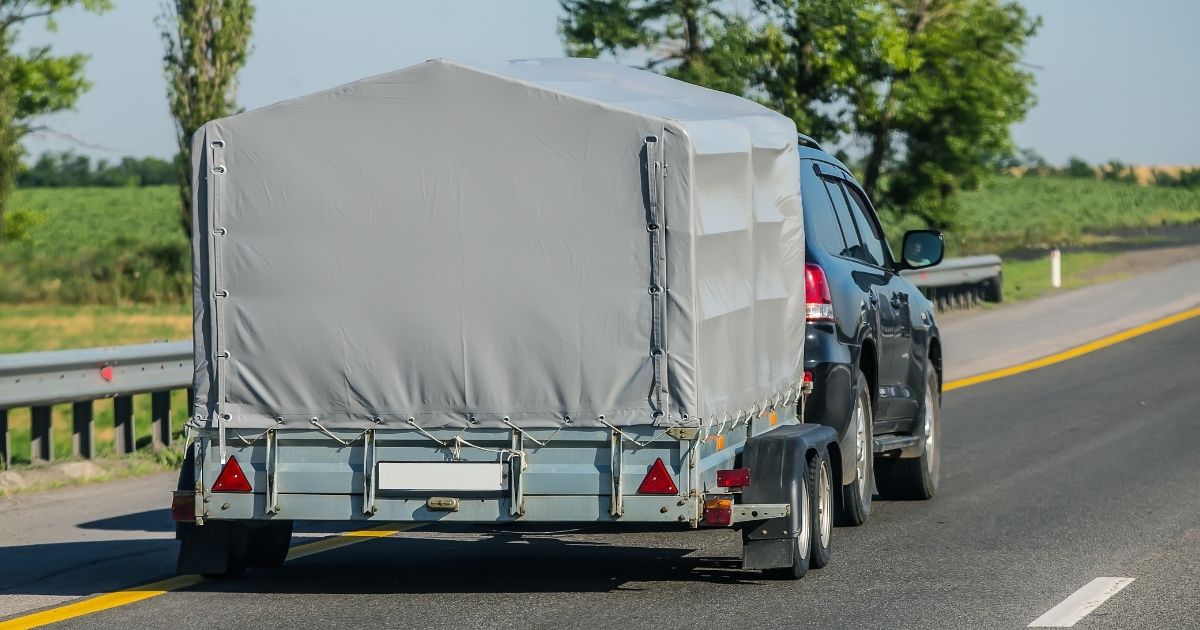
People often think a well-chosen caravan is enough. In reality a badly loaded caravan snakes even behind the right car, and turns a holiday trip into a nervous ordeal. Balance matters as much as total weight, and the good news is that it takes a few minutes to learn and to check at every departure.
This article gives you the full method: why loading decides stability, where to put the weight, what noseweight is, how to estimate it, and the mistakes that cost dearly.
Why loading decides stability
A caravan is an articulated vehicle behind yours. Its reaction to wind, to overtaking and to braking depends directly on how mass is spread around its axle. Too much weight at the rear and the caravan starts to oscillate: that is snaking, the weave that builds up on its own and can become uncontrollable. Too much weight at the front and the car front axle goes light, degrading steering and braking.
The aim is therefore a compromise: most of the heavy load low and as close to the axle as possible, and a controlled noseweight. This is not a comfort option, it is the basis of the safety of the whole outfit, and it matters more than engine power.
Where to put the weight, in practice
Heavy items, water, battery, toolbox, crockery, go on the floor, centred over the axle. Medium items spread around, keeping the left-right balance. Light bulky items, bedding, cushions, can go in the high lockers or at the ends. Nothing must be able to move while driving: a cupboard emptying itself in a bend shifts the centre of gravity at the worst moment.
Think about the car too: what you put in its boot counts towards its own gross vehicle weight. Towing fully laden with a full boot and four passengers can exceed the car authorised weight, regardless of the caravan. The right habit is to split the load sensibly between the two, and to keep a margin for what you buy on site.
Noseweight, the key setting
Noseweight is the vertical load the caravan puts on the towball. It must stay within the range set by the car maker, by the towbar and by the caravan: you always keep the lowest of the three. Too low and the rear of the caravan becomes unstable and starts snaking. Too high and you overload the car rear axle and lighten the front.
You can estimate it simply with a dedicated noseweight gauge, which is inexpensive, or a bathroom-scale and pole method. The point is to measure it, not guess it. Moving a few kilos from one locker to another is often enough to bring it back into the right range. Measure again if you change the load during the stay.
Tyres, pressure and checks
A caravan that sleeps eleven months a year has tyres that age even without rolling. Check their age, their cold pressure set for the load, and the absence of cracking. On the car, the rear pressure is often raised when towing: refer to the handbook. Also check the caravan lights, the breakaway cable or chain, and the locking of the hitch head. These steps take two minutes and prevent a breakdown.
The checklist before you drive
- Heavy load low and over the axle, left-right balance respected.
- Noseweight measured and within the lowest of the three limits.
- Everything secured, nothing can slide or open in a bend.
- Car and caravan tyre pressures set for the load, tyre age checked.
- Lights, breakaway cable and hitch lock checked.
- The outfit exceeds neither the car towing capacity nor the plated weights.
Once the caravan is well loaded, an anti-snaking stabiliser adds extra margin, but it never fixes bad loading: it completes good preparation, it does not replace it.
Long trip or weekend: adapt the load
A fifty kilometre weekend and an eight hundred kilometre summer migration are not loaded the same way. On a short trip, setting off with a full water tank has no real consequence. On a long motorway trip, it is better to travel with an empty tank and fill up on arrival: that is towing capacity saved and a noseweight easier to set. The longer and faster the trip, the more loading discipline matters, because fatigue and crosswinds amplify the smallest balance fault over the hours.
Manoeuvring and unhitching safely
Good loading is completed by careful hitching and unhitching. On sloping ground, chock the caravan wheels before unhitching and never rely on the parking brake alone. When hitching back up, check in order the locking of the hitch head, the indicator, the breakaway cable and the electrical connection before rejoining the road. Repeated at every stop, these steps become a reflex and prevent the silly accident on a rest area, exactly where you think you are safe.
Mistakes to avoid
Putting heavy items at the end of the caravan to save space: that guarantees a snake. Travelling with a full water tank when you will fill up on site: wasted towing capacity and a distorted noseweight. Never measuring noseweight and trusting the eye. Forgetting that the return shopping adds weight. Loading the car fully on top of the caravan without checking its gross vehicle weight. Each mistake is fixed by one simple check.
Checks while driving
Loading is not judged only at a standstill. During the first miles, stay alert to how the outfit behaves: a caravan pulling to one side, thumping on joints or weaving slightly when a lorry passes betrays a balance or noseweight fault. A first stop after about twenty kilometres lets you check the hub temperature, the hitch tightness and that the load has stayed put. It is far better to correct on a rest area than to discover the problem at full speed. This quick staged check is the natural complement of good loading at departure.
In short
Loading a caravan well means putting the weight low and near the axle, controlling the noseweight, securing everything, checking tyres and lights, and making sure neither the towing capacity nor the plated weights are exceeded. Five minutes of method at every departure beat a snake at 60 mph.
To go further, set your car straight with the towing capacity maths and the comparison tool. For your vehicle, the handbook and the V5C are authoritative.