The 85 per cent rule explained
21 Aug 2026 · by Jérémy Vaucher
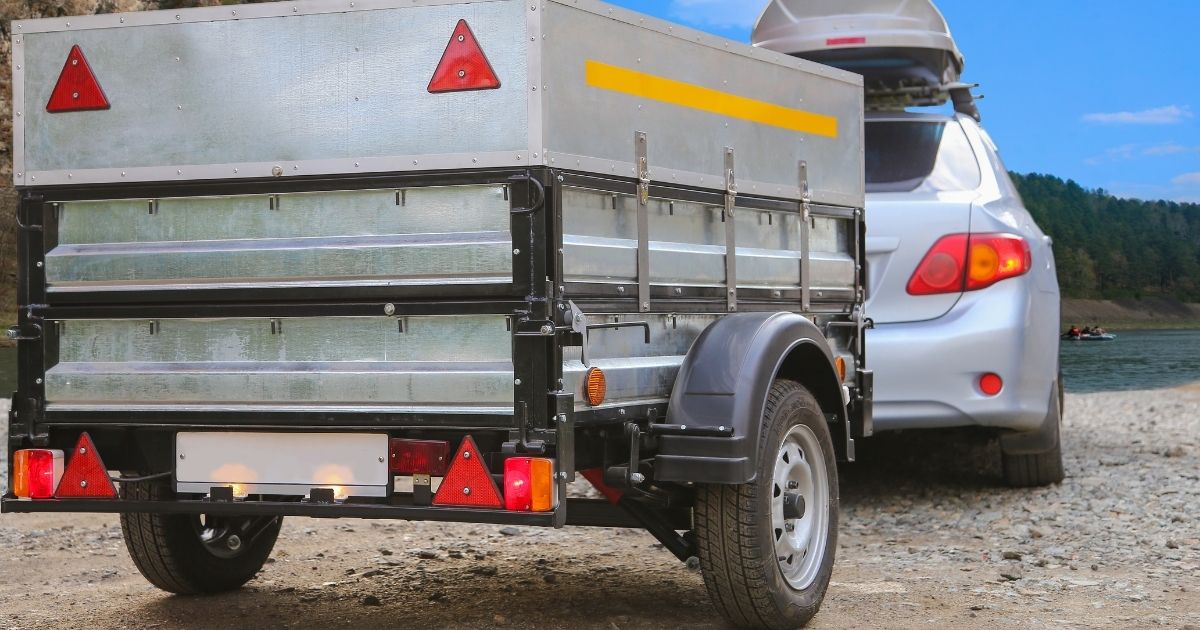
One sentence follows caravanning everywhere: do not exceed 85 per cent of the kerbweight of the towing car. It is not law, it appears on no registration document, and yet it is probably the single best stability tip you can give a beginner.
Here is where the rule comes from, what it is actually worth, and how to apply it without turning it into dogma.
What the rule says
The 85 per cent rule recommends that the real loaded weight of the caravan should not exceed 85 per cent of the kerbweight of the car towing it. In other words, the caravan should stay clearly lighter than the tow car.
The sum takes seconds: take the kerbweight from your own paperwork, multiply by 0.85, and you have the recommended ceiling for the caravan ready to leave, with water, gas, crockery and bikes on board.
Where the figure comes from
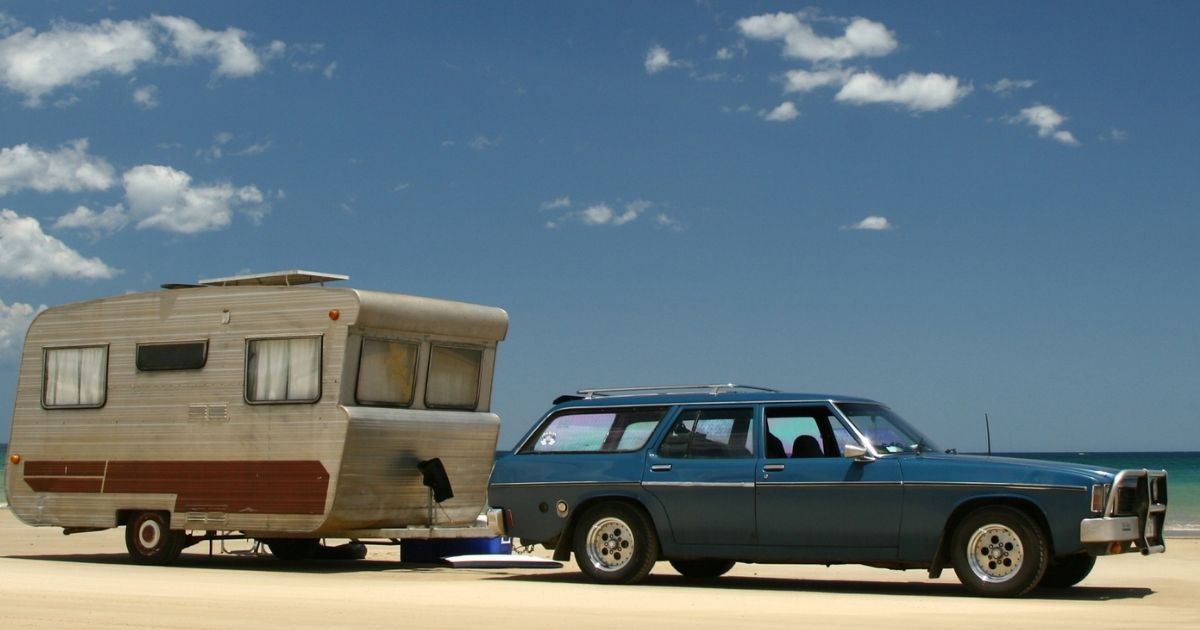
It is not drawn from legislation but from the experience of caravan clubs and road safety bodies. The physics behind it is straightforward: the heavier the trailer relative to the tow car, the more able it is to impose its own path on the car during a gust, an avoidance manoeuvre or heavy braking.
A light caravan behind a heavy car follows. A heavy caravan behind a light car pushes, pulls, and eventually starts to oscillate. That is snaking, and it builds faster than most drivers expect.
Why 85 and not 100
Plenty of vehicles are legally allowed to tow the equivalent of their own mass, sometimes more. The 85 per cent rule is not a legal limit, it is a safety margin. It keeps the outfit in a zone where behaviour stays predictable even as conditions worsen: wet road, crosswind on a viaduct, overtaking a lorry, long descent.
Experienced caravanners sometimes go beyond it, up to 100 per cent of kerbweight, provided the outfit is well set up, carefully loaded and familiar. For a beginner, aiming at 85 per cent or below is the best way to keep something in reserve on the day it goes wrong.
What the rule does not replace
The 85 per cent rule is a stability guideline, not a permission. It removes none of the legal checks.
- The towing capacity of your exact engine, which remains the absolute ceiling.
- The gross train weight, which caps the car and trailer together.
- Your driving licence, which has to cover the combination.
- Noseweight, which must stay within the limits of both the car and the towbar.
A caravan can sit comfortably inside 85 per cent and still be off limits because it exceeds the capacity of the version you drive. The reverse is equally true: a legally towable caravan can still be a poor idea if it weighs nearly as much as the car.
Applying it in practice
The classic trap is comparing the brochure unladen mass of the caravan with the kerbweight of the car. That is wrong on both counts: your caravan leaves home loaded, and it is that real weight which matters.
The proper method has three steps. Take the kerbweight of the car from your documents. Estimate the caravan seriously in holiday trim, or better, put it on a public weighbridge. Then compare, and adjust if the ratio slips.
When the ratio is too high there are only two levers: lighten the caravan, or move to a heavier and more capable car. The rankings by capacity show what exists, and the comparison tool puts two candidates side by side before you commit.
The electric car case
Electric vehicles change the arithmetic, because they are heavy. A battery adds several hundred kilos to kerbweight, which makes the 85 per cent ratio look very comfortable on paper. The binding limit then moves elsewhere, towards approved towing capacity and real range while towing, a subject covered in towing with an electric car.
Improving the ratio without changing car
When the sum comes out too high, the first instinct is to shop for a heavier car. That is not always necessary, because the ratio can also be improved from the caravan end.
- Travel with empty water tanks and fill up on arrival: it is the heaviest item and the easiest to remove.
- Leave the heavy awning at home when a lighter one covers the season.
- Sort through the crockery, books, tools and storage that accumulate year after year.
- Stop carrying electric bikes inside the caravan, or move them to a suitable carrier.
- Do not travel with full gas bottles when there is a supplier near the site.
None of that costs anything, and it is often enough to move a marginal outfit back into comfortable territory. It also frees up car payload, since what you do not carry weighs nothing anywhere.
What the ratio does not tell you
An outfit comfortably inside 85 per cent can still feel unpleasant if the load is badly placed or the tyres are underinflated. Conversely, an outfit slightly above it but loaded with care, with correct noseweight and proper pressures, will feel settled.
The ratio is a starting point, not a guarantee. It guides the choice of car, it does not excuse sloppy preparation before each trip, as the pre departure checklist makes clear.
In short
Remember the principle rather than the number: the lighter the caravan relative to the car, the more stable the outfit. The 85 per cent figure is a simple, well tested benchmark to cross check against the legal limits of your vehicle. For the regulatory side, revisit working out your towing capacity, then check the figures for your exact version, for instance on the Skoda Kodiaq or the Ford Kuga. Always check the V5C logbook before towing.