Best compact SUV for towing by budget
20 May 2026 · by Jérémy Vaucher
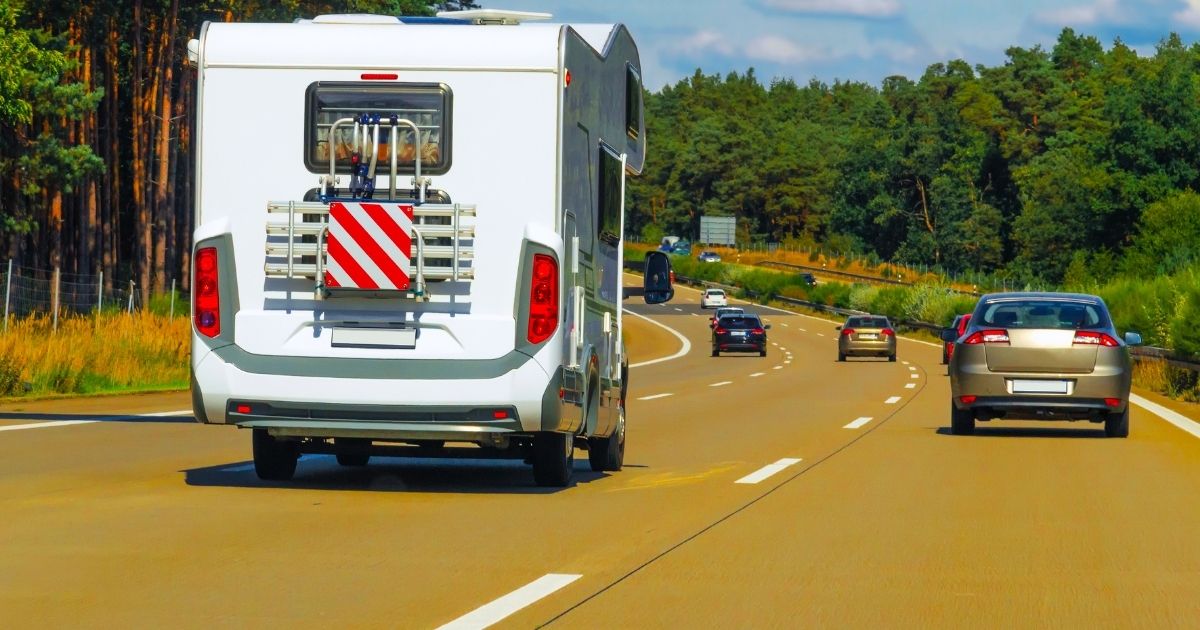
The compact SUV has become the default family car, and it is also a great compromise for towing a caravan or trailer without stepping up to a thirsty, bulky full-size SUV. The question is which one to pick, and above all what budget to aim for to get a car that is really capable, not just legally cleared to take a towball.
This article goes through the compact SUVs covered on the site, sorted by budget bracket, with the method that matters: start from the real loaded weight you want to tow, then work back to the car, never the other way round. The aim is not to crown a single winner, but to give you the right markers to open the two or three pages that really match your needs.
Why the compact SUV is a good tow car
The compact SUV has three strengths for towing. Its body height sets the towball at a good level, which helps overall stability. Its torque, especially in diesel or hybrid form, is generous low down, which helps pulling a caravan uphill without straining. Lastly, its size stays manageable, which changes life on a tight campsite pitch and during everyday manoeuvres.
The downside: a compact SUV weighs more than an equivalent saloon, which eats into payload. Whether buying or driving daily, it is wiser to check what the car can pull in the exact engine you are targeting, rather than the catalogue maximum. The detail lives on every model page: one look with the comparison tool is enough.
Tight budget: Dacia Duster, the pragmatic option
The Dacia Duster is the entry point of the compact tow SUV. No frills, but it plays the role for a light caravan or a small utility trailer: the diesel is the most relaxed under load, the petrol suits lighter loads. At this price you do not expect luxury, but you get an honest car that will not be the weak link in the outfit. To start from a list filtered by capacity, the 1,500 kg ranking gives the right marker.
The Duster also brings contained service costs and simple mechanicals, which is reassuring for a use case that mixes regular towing with long family trips. The 4x4 version adds a useful card for slipways and damp ground around the campsite.
Mid-budget: the heart of the market
This is where most families equip themselves, and it is also the most competitive bracket. The Nissan Qashqai, Renault Kadjar, Peugeot 3008, Skoda Karoq and Hyundai Tucson cover the essential needs, with capacities very close from one to the next depending on the engine chosen.
The Ford Kuga and Toyota RAV4 add a serious hybrid string to the bow, useful if you want lower consumption in mixed use. The Renault Austral, more recent, completes the French side of the list. Within this bracket, diesel remains king for regular and heavy towing; the plug-in hybrid brings torque but requires watching the range drop under load, a topic covered in towing with an electric car.
The right habit on this bracket: open two or three pages in parallel, line them up with the comparison tool and read the line that corresponds to the exact version you are after. The difference in towing capacity between the entry petrol and the top diesel is often several hundred kilos on the same car, which changes everything for a fully loaded family caravan.
Premium compact: margin and refinement
For those who want to tow with serenity and a smarter cabin, the BMW X1 and BMW X2 bring generous diesel torque and a planted chassis. The MINI Countryman shares the same technical base and plays on a different style. The premium uplift also shows up in service costs and used pricing: factor it into the whole budget, not just the showroom price.
A useful point: in this bracket, towing capacity is not always higher than on mainstream compact SUVs. Premium mostly buys comfort, refinement and a better road behaviour; for raw capacity, compare page by page, without assumptions. If your need regularly exceeds two tonnes, you may want to step up to a larger SUV: that is the purpose of the 2,000 kg ranking.
Diesel, petrol or hybrid: what it does to the bill
At a given budget, the engine weighs as much as the badge in the decision. Diesel remains the most economical over long, loaded trips, but the new diesel market is shrinking and used values follow. Petrol suits occasional and short use, without overloading the outfit. Plain hybrid offers a good mixed-use compromise, especially in town and without a trailer; under load, the electric assist drop is felt. Plug-in hybrid brings torque and a pleasant getaway, but its extra kerbweight reduces the towing capacity margin, to check on the chosen model page.
New or used: the real budget question
Buying a compact tow SUV used often makes sense. A three to five year old car, well maintained, keeps its original towing capability and costs notably less than a new one. On the other hand, check the service history, the state of the clutch if the car has towed, the presence of a type approved towbar and the original wiring rather than a botched harness. A car that has already towed is a good sign if the maintenance followed, a worrying sign otherwise.
The method to choose, not luck
Whatever the budget, the method stays the same. Start from the real loaded weight of the caravan or trailer, kitted out and packed. Compare it with the towing capacity of the exact engine you are targeting, read on the model page. Keep a safety margin above the minimum, ideally aiming for the 85% rule detailed in how to choose the right car to tow a caravan.
To work it out yourself: how to work out towing capacity. To understand the weights that decide: GVW, GTW and kerbweight. To settle the licence side before signing: what licence you need to tow. Three quick reads that prevent a wrong purchase.
The checklist before you buy
- The real loaded weight of your caravan is known, not the brochure unladen mass.
- The towing capacity of the exact engine covers that weight comfortably, with margin.
- Your licence covers the outfit: see what licence you need to tow.
- The car accepts a type approved towbar and the right wiring.
- The remaining payload still carries four passengers and luggage without exceeding the gross vehicle weight.
- The budget includes servicing, not just the purchase price.
In short
To go further, open the comparison tool with two models side by side, or start from a ranking by capacity: 1,500 kg or 2,000 kg. Whatever your budget, the right compact SUV to tow is first of all the one whose figures match your real needs, not the one with the most appealing photo.