What licence do you need to tow a trailer or caravan
11 May 2026 · by Jérémy Vaucher
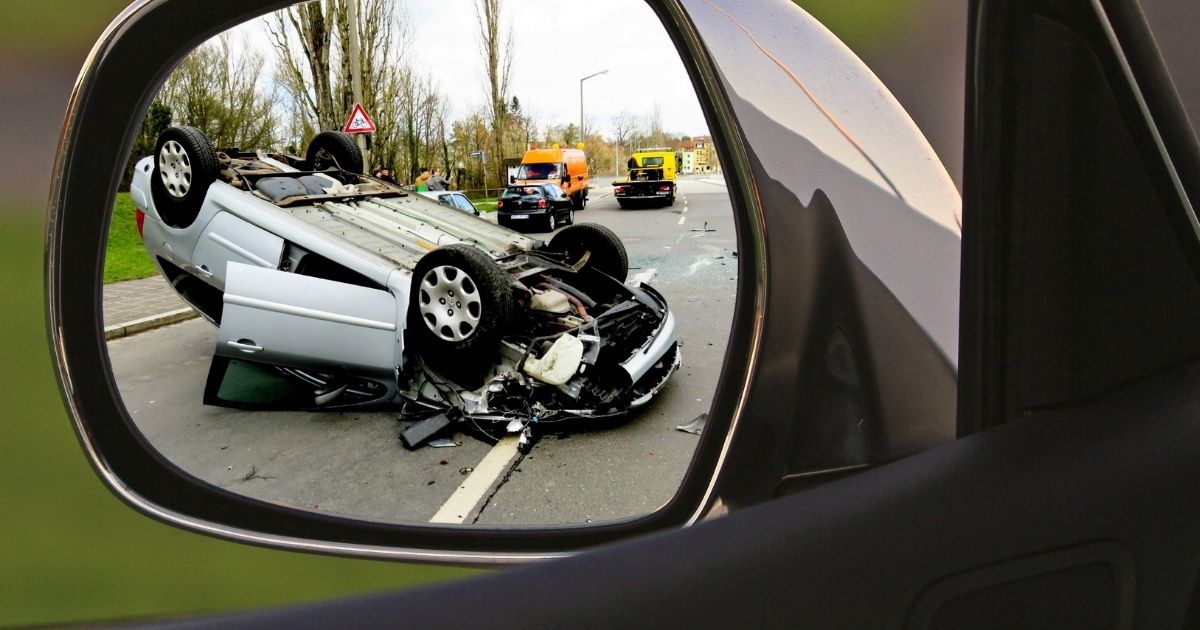
The caravan is chosen, the car is ready, and suddenly the doubt creeps in: does your licence really let you tow that outfit? It is a serious question, because driving outside your entitlement is an offence, a weakened insurance position and a real risk. The good news: the answer comes down to two simple things, the weight of the outfit and when you passed your test.
This article covers the ground without drowning you, with the method to know in thirty seconds whether you are legal, and the side points that are often forgotten.
The general principle
In the UK, if you passed your car driving test on or after 1 January 1997 you can tow a trailer or caravan up to 3,500 kg maximum authorised mass with a standard category B licence. The rules changed in December 2021: the separate car and trailer test, the old B+E test, is no longer required for most drivers. Drivers who passed before 1 January 1997 generally keep wider grandfather rights for larger combinations.
This is a significant simplification compared with the past, but it does not remove the duty to stay within the vehicle and trailer plated weights. Entitlement is one thing, the mechanical and plated limits are another, and both must be respected at the same time.
The right habit in thirty seconds
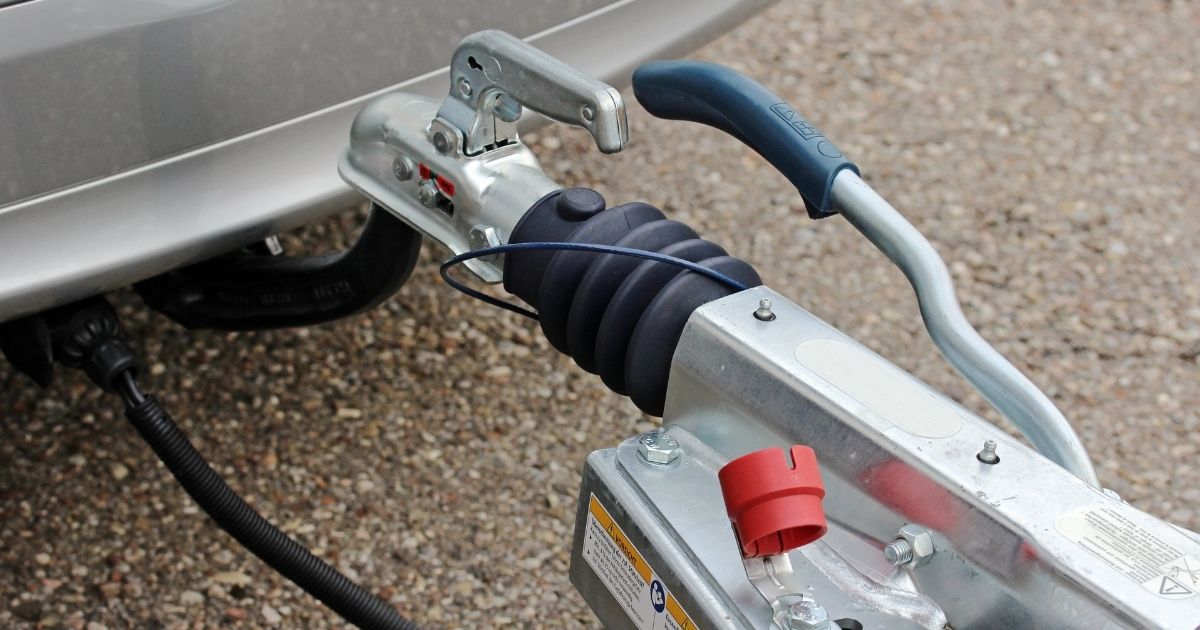
Read the maximum authorised mass of the trailer or caravan on its plate, and check it against your entitlement and against the towball and towing limits of the car. The licence question is mostly settled for post-1997 drivers up to 3,500 kg, but the car towing capacity is a separate ceiling you must not exceed. Power does not enter the licence question, only the plated weights do.
Remember that the car towing capacity and your licence category are two different things. You can be allowed by your licence while exceeding the mechanical towing capacity of the car, or the other way round. Both must be respected together. For the towing capacity maths, read how to work out towing capacity.
Drivers who passed before 1997
If you passed your car test before 1 January 1997 you generally retain so-called grandfather rights, which usually allow heavier combinations than a modern category B alone. The exact entitlement is shown by the categories printed on your licence, so check them rather than assuming. If anything is unclear, the official guidance and the licence categories themselves are the authoritative source, not hearsay at the campsite.
Towing abroad
Licence categories are broadly harmonised across Europe, but speed limits, compulsory equipment and rules for driving with a trailer vary from country to country. Before a trip, check the local regulations of the countries you will drive through: what is tolerated at home may differ elsewhere, especially on motorways and for rear marking. A few minutes of checking prevents a fine far from home.
Trailers and their own rules
Licensing is not the only regulatory topic. A loaded trailer must stay within its own plated maximum, and its tyres, brakes and lighting must be sound. The noseweight at the towball must respect both the car and the towbar limits. Check too that your insurance covers the trailer and its contents, since policies differ. None of this depends on your licence, and all of it matters for safety and for staying legal.
Penalties and insurance
Towing without the right entitlement or above the plated weights is not just an administrative matter. At a roadside check it is an offence, with a fine and possible immobilisation of the vehicle. After an accident, an insurer can reduce or refuse cover if the outfit was outside the limits, leaving you to carry costs that can be considerable. Respecting the entitlement and the plated weights is therefore not red tape: it is financial as well as physical protection, for you and for other road users.
A worked example
Read the maximum authorised mass of the caravan on its plate and the towing limits of the car. If you passed your test on or after 1 January 1997 you may tow up to 3,500 kg MAM on category B, but the car towing capacity is a separate ceiling. If the caravan loaded weight is below both your entitlement and the car towing capacity, with margin, you are clear. If either is exceeded, you must change the load, the caravan or the car. Power never enters this reasoning: only the plated weights and the towing capacity matter, and both must be satisfied together.
Keep the towbar limits in mind
Even with a clear licence and enough towing capacity, the towbar and its towball have their own rated limits, including a maximum noseweight. The figure that applies is always the lowest among the car, the towbar and the caravan. Checking the towbar plate takes seconds and avoids overloading a hitch that is rated below the rest of the outfit.
The car must be able to pull it
Holding the right entitlement does not remove the need to check that the car is physically and legally able to tow the load. That means a towbar type approved for the vehicle, the correct wiring, and above all a towing capacity that comfortably exceeds the caravan loaded weight. A car allowed by your licence but undersized on towing capacity is still illegal and unsafe. Conversely, a very capable car does not let you tow if your licence does not cover the outfit. The two conditions are checked separately, then together, before any purchase. Choosing a car with margin makes every trip calmer and safer, and avoids being forced to under-load the caravan at every departure just to stay within a tight limit.
In short
To know whether you can tow: confirm your licence entitlement, then confirm the car towing capacity and the trailer plated weight, and respect all of them together. When in doubt, the V5C logbook and the plates are authoritative, and the official guidance removes any ambiguity.
Next, get the loading right with how to load a caravan and choose a car with margin using the comparison tool or the 2,000 kg ranking. This article describes the general rules; your official documents always take precedence.