How to choose the right car to tow a caravan
18 May 2026 · by Jérémy Vaucher
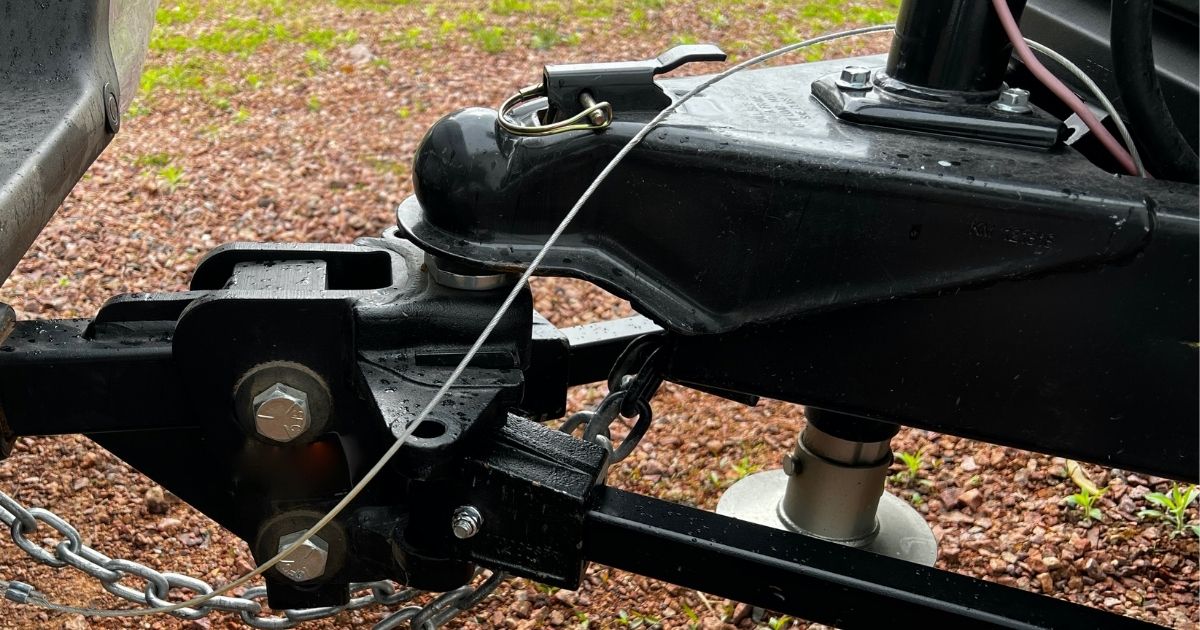
You have found the perfect caravan, or the family holidays are coming up and the idea of taking your home on wheels is tempting. One question decides everything else: can your car really tow it, safely and legally? The power figure on the spec sheet does not answer that. What matters is the towing capacity, and a few simple ideas this article will give you, jargon free.
The good news: choosing a car to tow is down to neither luck nor chance. It is a method. Once you understand it, you will read listings and spec sheets in a completely different way, and you will avoid the classic mistake of trusting the most powerful engine rather than the right figure.
Towing capacity, the one figure that decides
When you are looking for a car to tow, one figure beats all the others: the towing capacity. It is the lower of the manufacturer maximum braked towing weight and the gross train weight minus the gross vehicle weight. In other words it is neither power nor torque alone, but a regulated value specific to each engine.
Why the lower of the two? Because the manufacturer sets a mechanical limit tied to cooling, transmission and chassis, and the regulations set a total laden limit. Exceeding either puts you in the wrong, even if the car seems to cope on the flat. The real towing capacity is therefore the more restrictive of the two ceilings. No need to learn the formula by heart: every page on the site shows the value already, engine by engine, from sourced data. For the maths, read how to work out towing capacity, and for the definitions, GVW, GTW and kerbweight.
Start from your caravan real weight, not the brochure
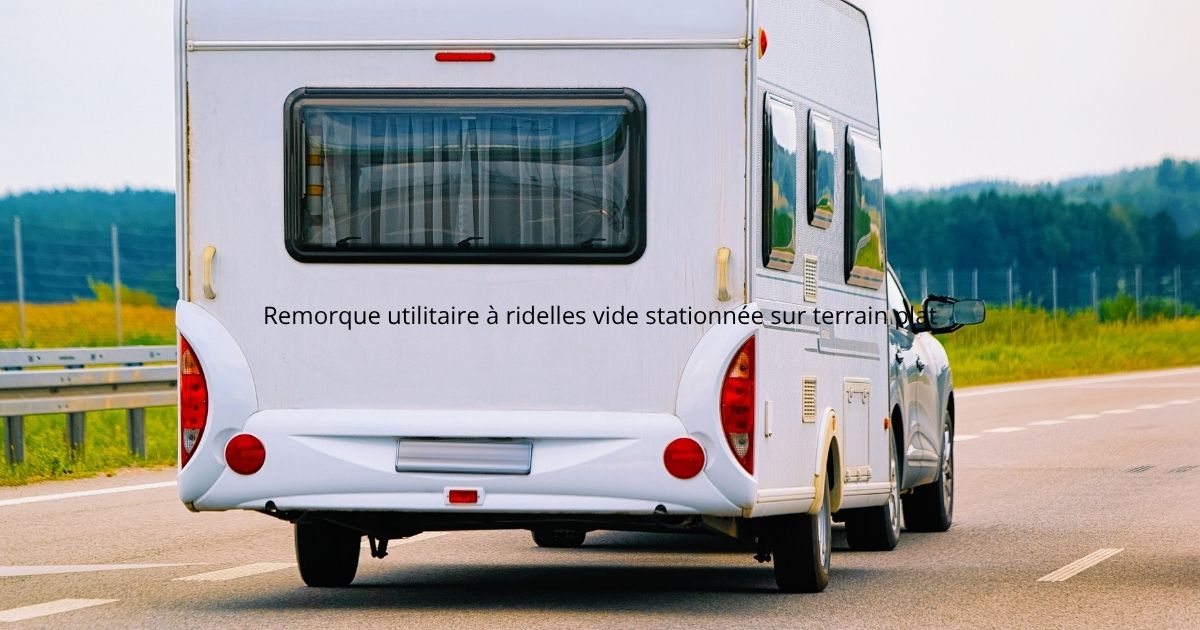
The most common mistake is to compare an empty caravan, as advertised by its maker, with the top trim maximum towing capacity. In real life your caravan travels kitted out: awning, crockery, bikes, water, battery, sometimes a loaded bike rack. Its real loaded weight is often well above the brochure unladen mass. That weight, and only that, is what you compare with the towing capacity of the exact engine you are considering.
The same car can show a very different towing capacity from one engine to the next. The entry petrol version and the diesel or hybrid have neither the same capability nor the same ease under load. Before you sign, open the model page and read the line that concerns you, not the catalogue maximum. The comparison tool puts two models side by side on this criterion, and the ranking by capacity gives a first list of credible candidates.
Petrol, diesel, hybrid or electric: what changes
Fuel is not neutral when towing. Diesel, rich in low-down torque, is very comfortable getting a heavy caravan moving and holding it, especially uphill and over distance. Modern petrol tows well provided you avoid the bottom of the range, where small units can run short of breath under load. Plug-in hybrids offer generous torque, but their weight and the range drop under load need watching. Electric pulls away strongly thanks to instant torque, but range can halve while towing and few chargers are reachable without unhitching. The topic is developed in towing with an electric car.
Beyond fuel, it is often torque, more than power, that makes a good tow car: it is what lets you pick up speed without straining with the caravan behind. A planted car with useful torque available early is more restful than a nervous but light sports model.
The 85% rule for stable towing
Beyond the strict legal limit there is a stability guideline widely accepted in the caravan world: for a less experienced driver, the caravan loaded weight should stay at no more than about 85% of the tow car kerbweight. It is not a law, it is a sensible safeguard. The closer you get to the theoretical maximum, the more the outfit reacts to crosswinds, to lorries passing and to hard braking.
In practice a heavy, planted car tows more calmly than a light car pulling a caravan at its limit. That is also why a well-sorted estate or SUV often makes a better tow car than a more powerful but lighter saloon. Keeping a margin means a relaxed drive, and arriving fresh rather than worn out by constant corrections.
What you are allowed to tow
In the UK, if you passed your car driving test on or after 1 January 1997 you can tow a trailer or caravan up to 3,500 kg MAM with a standard category B licence: the rules changed in December 2021 and the separate car and trailer test was scrapped. Drivers who passed before that date usually keep larger entitlements. The licence and the mechanical towing capacity are two independent constraints that must be respected together. Always check the V5C logbook and the manufacturer plate for the exact limits. The topic is covered in what licence you need to tow.
Do not forget the car payload
Choosing a car to tow is not only about what it pulls behind. It is also about what it can carry inside. Four passengers, luggage, a roof box or a bike rack on the towbar all count towards the car own gross vehicle weight. A car towing right at its limit and travelling loaded can exceed its own authorised weight, regardless of the caravan. The right approach is to reason about the whole outfit: loaded car plus loaded caravan, all within the limits.
The checklist before you buy
Here are the points to confirm, in order, before committing to a car:
- Your caravan real loaded weight is measured, not guessed.
- You look at the towing capacity of the exact engine, not the model in general.
- You keep a safety margin, aiming for the 85% rule.
- Your licence covers the full car plus caravan combination.
- The car can take a type approved towbar and the right wiring.
- The remaining payload still carries passengers and luggage without exceeding the car gross vehicle weight.
- You kept a margin for the unexpected: full water tank, shopping on site, bad weather.
To narrow things down fast, start from your caravan weight and open the matching ranking: cars that can tow at least 1,500 kg or at least 2,000 kg. You get a concrete list of capable models, to cross-check page by page, then to settle with the comparison tool.
Mistakes to avoid
First mistake, choosing on power: a big engine in a light car does not necessarily allow a high towing capacity. Second mistake, reasoning about the top trim when you will buy the entry version, which often tows much less. Third mistake, neglecting the gearbox and cooling: towing in the mountains in summer works the transmission hard. Fourth mistake, forgetting the caravan will travel full, not empty. The method protects you from all of these: start from the real weight to tow, then work back to the car.
In short
Choosing a car to tow is not about finding the most powerful one, but the one whose towing capacity comfortably covers your loaded caravan, within your licence and with margin. The right habit fits in one sentence: start from the real weight to tow, then work back to the car, never the other way round.