Torque matters more than power when towing
31 Aug 2026 · by Jérémy Vaucher
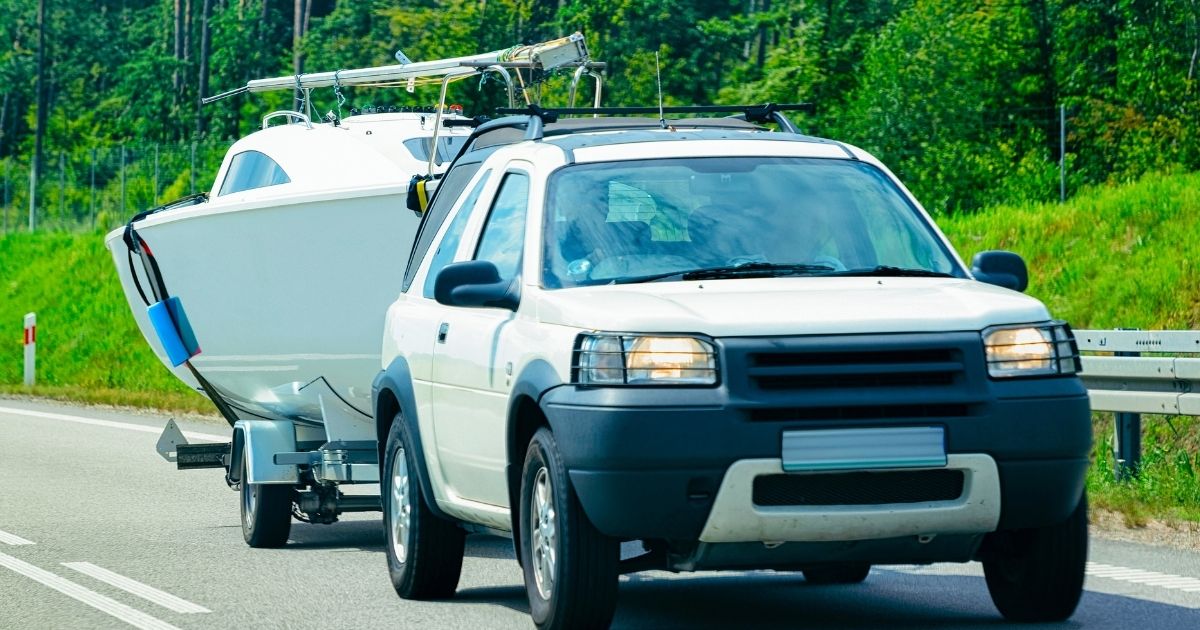
When people look for a tow car, the first instinct is to read the horsepower figure. It is the wrong criterion. To pull a caravan away from a junction on a hill, to rejoin from a roundabout or to hold a long climb without screaming, what matters is torque.
Here is why, and how to read that figure intelligently on a spec sheet.
Power and torque are not the same thing
Torque is the rotational force the engine applies, expressed in newton metres. Power, in horsepower or kilowatts, describes how quickly that work is delivered. Put simply: torque moves the load, power decides how fast you can keep going.
When towing, most of the work happens at low and medium revs, exactly where torque lives. A powerful engine that is hollow low down forces you to rev to make progress, which tires the driver as much as the mechanicals.
The rev range matters as much as the number
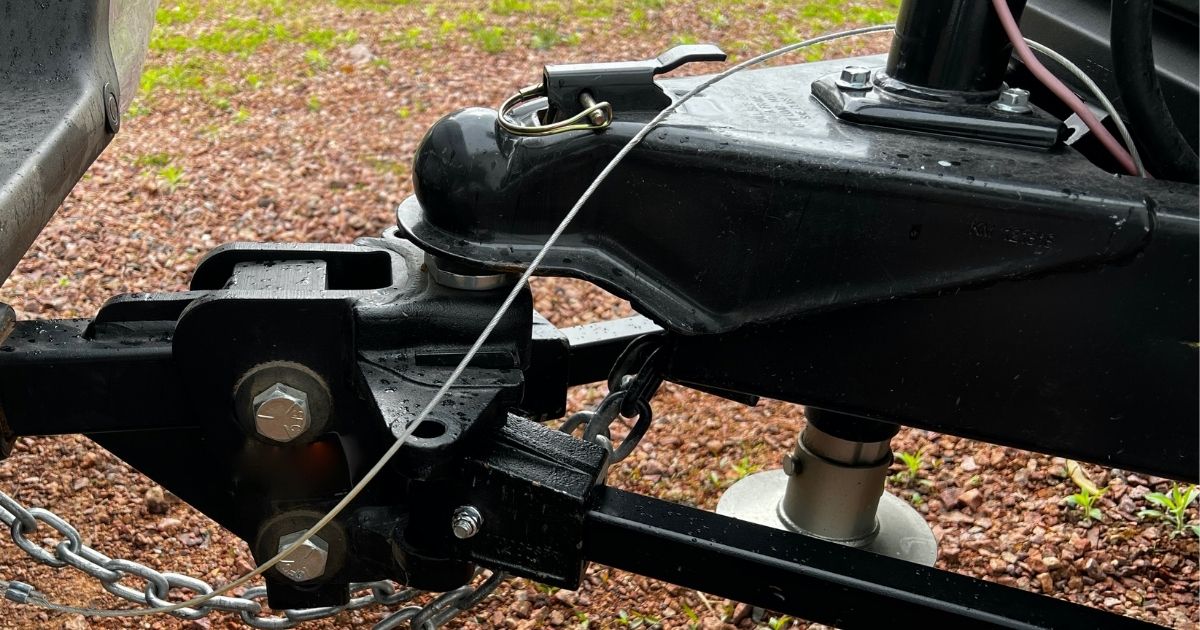
A big torque figure arriving at 4,500 rpm is worth less than a slightly smaller one available from 1,500 rpm. That is why the pages on this site quote torque together with its rev range: the usable band matters as much as the headline peak.
It also explains the reputation diesels have for towing. Torque arrives early, stays available across a wide band, and the outfit moves without fighting the gearbox. The subject is developed in automatic or manual for towing.
Hybrids and electrics change the picture
An electric motor delivers its torque instantly, from the first turn of the wheel. For manoeuvring a caravan, pulling off a sloping pitch or getting a heavy outfit rolling, that is a real and immediately noticeable advantage.
The catch sits elsewhere: range falls sharply while towing, and approved capacity is often modest relative to the weight of the vehicle. That is covered in towing with an electric car.
What torque does not tell you
A generous engine does not make a car suitable for towing. Approved capacity also depends on cooling, transmission, brakes and structure. That is why a sports car with impressive torque can have a poor towing rating, while a humbler workhorse pulls far more.
So the rule holds: torque explains how the drive feels, the technical data sets the legal limit. Read both, never one instead of the other.
How to compare sensibly
- Find the towing capacity of the exact version, which is the knockout filter.
- Then look at torque and the revs at which it arrives.
- Factor in the gearbox: a well chosen ratio beats raw torque badly used.
- Remember kerbweight, which drives stability and the 85 per cent guideline.
The comparison tool shows these values side by side, which saves juggling tabs. For concrete examples of high torque powertrains, open the Volkswagen Touareg, the BMW X5 or the Land Rover Discovery.
On the road
With torque available early you tow at low revs, the gearbox stays calm, consumption holds up and motorway noise stays bearable. On a long climb the car holds its pace instead of hunting between gears.
Without it, everything becomes a negotiation: anticipating every pull away, dreading short slip roads, enduring constant downshifts. Over a holiday journey the difference in fatigue is considerable.
The transmission matters as much as the engine
A strong engine badly partnered delivers nothing. The gearbox, the ratios and the electronic mapping decide how that torque reaches the road when a caravan is behind you.
A torque converter automatic copes well with loaded pull aways and avoids clutch shock. A dual clutch reacts quickly but asks for more care during slow uphill manoeuvres. A manual gives total control, provided you accept doing more of the work. That choice is developed in automatic or manual for towing.
Cooling matters too, even though it never appears in marketing material. Towing uphill in high temperatures loads the coolant circuit, the gearbox oil and sometimes the air conditioning. That is precisely why some versions receive additional cooling when a towbar is fitted at the factory.
Torque does not replace margin
A car with abundant torque feels effortless, which tempts drivers into towing faster and heavier. That is a classic trap: the stability of an outfit depends on the mass ratio and the quality of loading, not on engine muscle.
In other words, torque improves comfort and active safety when pulling away and climbing, and changes nothing about behaviour in a gust or an emergency swerve. Keep the margin suggested by the 85 per cent guideline, whatever the engine feels like.
Reading a spec sheet without being caught out
Three traps come up every time engines are compared on paper.
The first is combined hybrid system output, which adds engine and motor together. It describes a momentary maximum, not what you have continuously available to drag a caravan up a long climb.
The second is the torque figure quoted for an electric motor, very high from rest but falling away with speed. It transforms manoeuvring, far less so overtaking at motorway pace.
The third is comparing brands without checking units or method: bhp, DIN hp and kilowatts do not tell the same story. On this site power is given in both horsepower and kilowatts, and torque with its rev range, precisely so that comparison stays honest.
In short
For towing, prefer generous torque arriving early over a flattering power figure. Then check the approved capacity of the exact version, the only limit that carries legal weight. Always check the V5C logbook before towing.