Manual or automatic gearbox for towing : which to pick
8 Jun 2026 · by Jérémy Vaucher
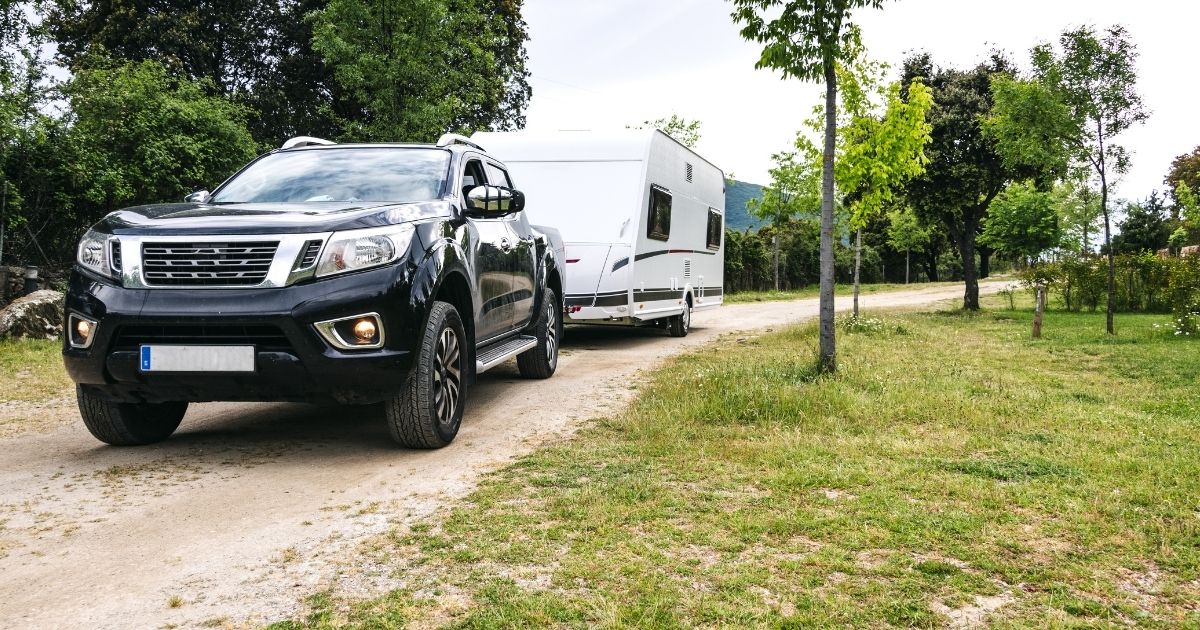
On paper, two versions of the same car tow the same weight, whether they have a manual or an automatic gearbox. On the road with a caravan behind, the experience is very different : hill starts, heat management on a long climb, engine braking on descent, ease of use in town. The gearbox does not change the homologated towing capacity, but it changes driver serenity and the wear of the whole outfit.
This article looks at what each type of gearbox really brings in towing, without prejudice and without made-up figures. The right reflex, as always on this site, is to start from the towing capacity of the exact engine you are targeting, then ask yourself which gearbox you want to live with on the road.
What the gearbox actually changes when towing
Four parameters separate a good towing experience from a bad one. Heat management : pulling 1,500 kg for 20 km of pass climbing is sustained work for the gearbox, especially a torque-converter automatic, which converts part of the energy into heat. Hill starts : pulling away with a loaded car plus a one-tonne caravan on an 8 % gradient is the test that sorts gearboxes. Engine braking on descent : it is the safety of the whole outfit, especially without actively downshifting. Low-speed feel finally : on tight campsite pitches and reversing manoeuvres with a hitched caravan, the precision of the controls matters as much as raw power.
None of these points show on the homologation sheet. All are felt from the first trip. That is why it is wiser to pick your gearbox before signing, rather than putting up with it on the morning of the holidays.
The manual gearbox and its strengths
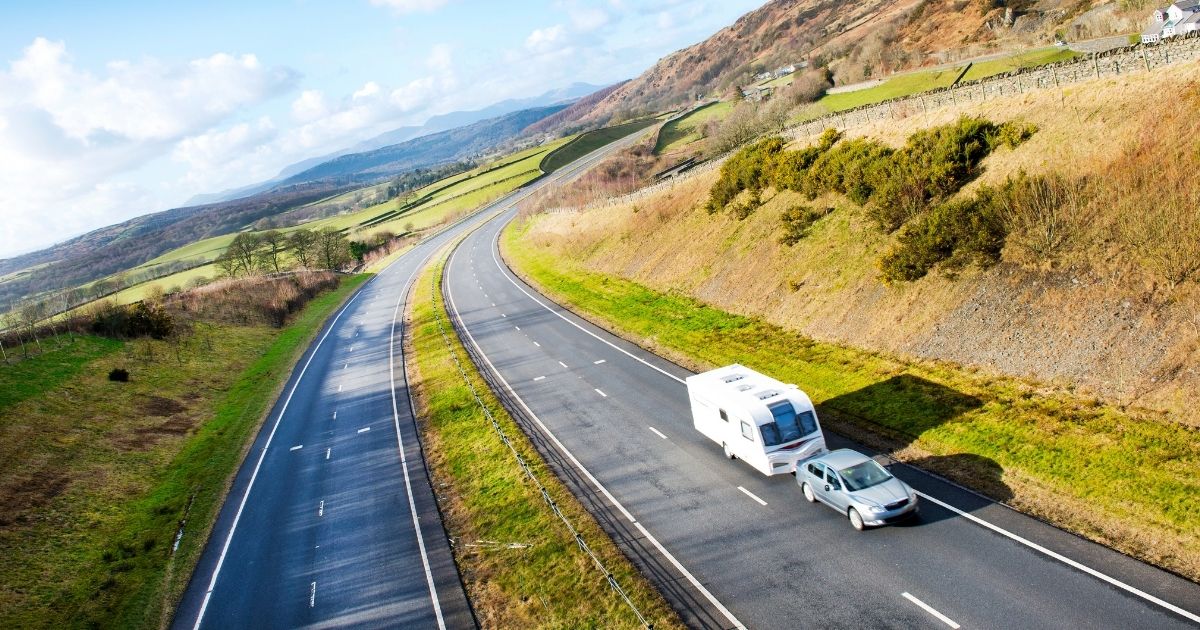
For many experienced drivers, the manual gearbox remains the reference for towing. Its logic is simple : the driver picks the ratio, the foot manages the clutch, nothing is delegated to a computer. On a descent, dropping a gear gives instant engine braking ; on a climb, you hold the most useful torque without depending on a programme. The mechanicals are also simpler to maintain and to repair.
The downside : the clutch takes the strain. If you tow five times a year for holidays, the wear is negligible. If you tow every week with hill starts, the clutch becomes a consumable to watch, especially on entry-level SUVs where it is not oversized. Drivers who are not at ease with a manual gain from moving to an automatic for towing : safety on a hill start is worth more than the gearbox price difference.
Torque-converter automatic
The historic automatic, found on SUVs and large estates. A hydraulic torque converter sits between engine and gearbox, which eliminates any risk of stalling and gives an uncannily smooth hill start. For towing, it is the most reassuring gearbox : no clutch slip to manage, engine braking available by switching to sequential mode or selecting a gear with the paddles, and often a dedicated tow mode that holds gears longer to keep useful torque.
The only real point to watch is gearbox oil temperature on a long loaded climb. Manufacturers equip the auto version with a suitable oil cooler when the model is rated for heavier loads. Check on the model page that the version you target carries the proper towing equipment, in particular on family SUVs such as the Renault Austral or the Skoda Karoq in automatic form.
Dual-clutch automated gearbox (DSG, DCT, EDC)
Dual-clutch automated gearboxes (DSG on Volkswagen and Skoda, DCT on Hyundai and Kia, EDC on Renault) are quick, efficient in everyday driving, and very pleasant when not towing. When towing, they ask for more care. Repeated hill starts on a steep gradient load the clutches, which are harder to replace than a regular manual clutch. Several manufacturers state in the owner's manual an acceptable towing use, but some require a pause after a series of low-speed manoeuvres under load.
The experience stays good on motorway and on long trips. For occasional caravan use on normal roads, this is a fine compromise. For heavy repeated use or in the mountains, prefer a torque-converter automatic. The Hyundai Tucson and Skoda Karoq are typical of this technology.
CVT gearbox
The continuously variable transmission, popularised by Toyota on hybrids, has no traditional clutch and no fixed ratio : a controller varies the ratio continuously to keep the engine in its sweet spot. Two consequences for towing. First, the car always finds the right torque, which simplifies driving. Second, engine braking on descent is more discreet than with a stepped gearbox : you often need to pick a dedicated mode or downshift manually with the paddles, and supplement with the service brake. The Toyota RAV4 hybrid is the best-known example in the compact segment.
Towing modes and special programmes
Many recent SUVs offer a Tow, Trailer or Caravan mode in the gearbox menu or in the drive-mode selector. In practice, it shifts up later, delays downshifts to avoid hunting, and often extends hill-hold assistance. On some cars, the tow mode also brings up gearbox lubrication earlier, and tunes stability control to account for the mass behind. Read the manual : that mode sometimes exists without being highlighted at purchase, while it does change the real feel.
What about an electric car ?
On a fully electric car, there is no gearbox in the traditional sense : a fixed reduction gear links motor to wheels, and full torque is available from rest. For pulling a caravan away on a hill, there is no equivalent : no slip, no take-up point, just smooth throttle modulation. Engine braking is strong thanks to regeneration, which helps on descent. The downside is range : expect a 30 to 50 % drop under load, and plan your stops accordingly. The topic is covered in towing with an electric car.
Which gearbox for which use
A practical summary, without dogma.
- Regular and heavy towing (family caravan, several weekends plus one big trip a year) : the torque-converter automatic stays the safe pick. Alternatively a well-mastered manual, with a driver at ease on hill starts.
- Occasional and light towing (utility trailer, bike rack, small light caravan) : a manual gearbox is fine, robust and cheap to run. A dual-clutch automated also suits without reservation.
- Mountain or pass towing : torque-converter automatic with tow mode active, or a manual piloted by a driver who downshifts in time. To avoid : a dual-clutch automated with repeated hill starts on steep gradients.
- Less experienced driver : torque-converter automatic. The smoother hill starts and absence of stall risk are well worth the price gap.
- Long motorway trips : all gearboxes suit. The criterion becomes overall comfort, not gearbox technology.
Before you sign
A few checks to avoid picking the wrong version.
- Open the model page and read the towing capacity of the exact version with the chosen gearbox : auto and manual can differ noticeably.
- Check for a gearbox oil cooler or a towing pack option, especially on the most powerful engines.
- Ask whether a tow mode is offered, and how to engage it.
- Buying used : test a hill start with a trailer, to feel how the gearbox copes under load. As telling as a brochure.
- Compare two rival versions side by side with the comparison tool or start from a towing-capacity ranking to save time.
In short
The gearbox does not change the homologated towing capacity, but it changes everything else : hill starts, serenity on long trips, mechanical durability. Pick the technology that fits your real use, not the trend of the day. To go further, the how to choose the right car to tow a caravan pillar and the site methodology give the full picture.