Exceeding your towing limit: the real risks
9 Sep 2026 · by Jérémy Vaucher
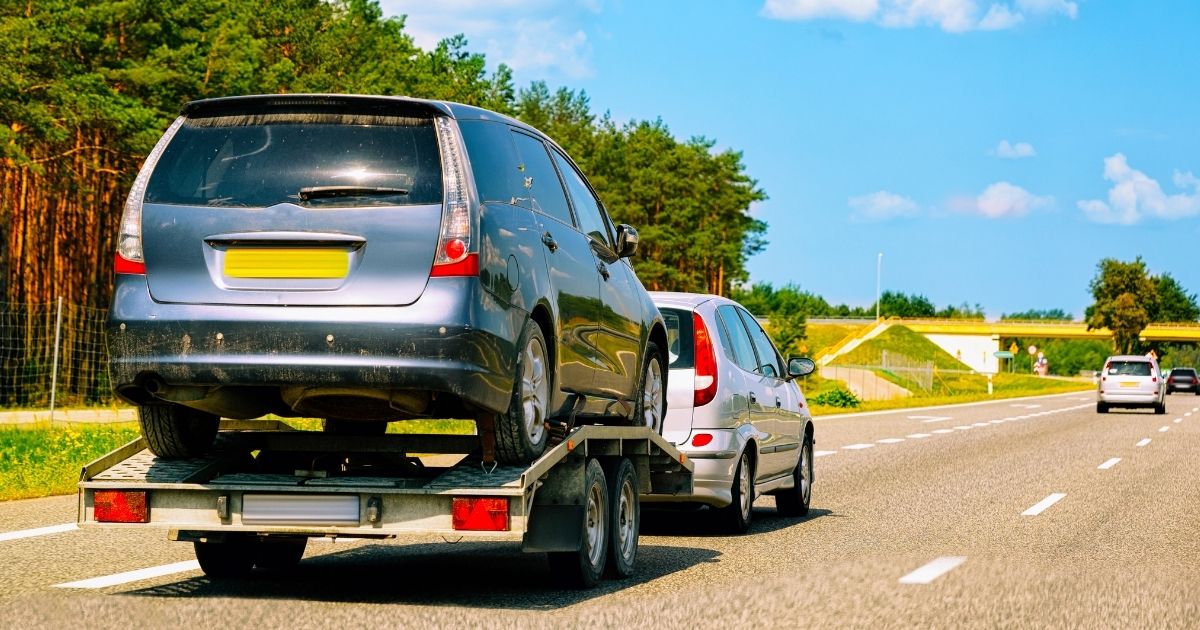
The temptation is human: the caravan is only slightly over the quoted capacity, the trip is short, the car feels fine. What difference does a hundred kilos make? The problem is that exceeding your towing limit is paid for on three separate fronts, and the first is not the one people expect.
The physical front
An overweight trailer does more than slow the car down. It lengthens stopping distances, heats the brakes on long descents, works the gearbox and cooling beyond what they were validated for, and above all it starts to dominate the tow car.
That last point matters most. The more the mass ratio tips towards the trailer, the more the outfit becomes prone to snaking. It starts as a lorry passes or a gust hits, and it feeds itself. That is exactly why the 85 per cent guideline recommends staying well below the legal ceilings.
The legal front

Travelling with an outfit above its permitted weights is an offence regardless of how the vehicle behaves. A roadside check can end in a fine and in the outfit being held until it complies, which in practice means unloading at the roadside or calling a second vehicle.
These checks happen, particularly at holiday changeover periods and on tourist routes. What gets assessed is the weighbridge reading, not your intentions.
The insurance front
This is the costliest and least understood part. After an accident, a clear overload can be raised while the claim is assessed. Depending on the policy and the circumstances, settlement can be reduced or disputed, especially where the overload contributed to a loss of control or to a longer stopping distance.
The arithmetic is simple: whatever you save by not buying the right car is nothing next to a claim that goes wrong.
The two ceilings people break without knowing
- The caravan is judged by its brochure unladen mass, when it actually leaves loaded: water, gas, crockery, bikes, awning.
- The gross train weight is ignored. The headline towing figure is respected, yet the outfit exceeds the permitted total.
The second case is the sneaky one, because nothing warns the driver. It is the calculation set out in working out your towing capacity and in gross vehicle weight and gross train weight.
How to know where you stand
- Weigh the loaded outfit on a public weighbridge, once, in departure trim.
- Compare with the capacity of your exact engine, not the range maximum.
- Check loaded car plus loaded trailer against the gross train weight.
- Check the rear axle load, often close to its limit when noseweight is high.
If the answer is over, there are only three honest fixes: lighten the load, change the trailer, or change the car. The rankings by capacity and the comparison tool make the third option quick to explore.
The false comfort of "it drives fine"
An overloaded outfit does drive, and that is precisely what makes it dangerous. Nothing warns you while everything is going well. The difference appears at the exact moment you need reserve: emergency braking, an avoidance manoeuvre, a wet surface, a crosswind on a viaduct.
The safety of an outfit is not judged on the journeys that go well, but on what is left in hand the day one does not.
Going over without meaning to
An outfit can leave home legal and become illegal during the trip. It happens more often than people think, and it needs no dramatic carelessness.
- Filling the water tanks on arrival, then driving home with them full.
- Shopping on holiday, especially wine, furniture and camping gear bought along the way.
- Firewood or stones brought back at the end of the trip.
- A wet awning, appreciably heavier than the same awning dry.
- Moving a heavy item from the car into the caravan without rechecking noseweight.
The fix is simple: run a quick check before the journey home, exactly as you did before leaving. It is the most heavily loaded trip of the year, and the one nobody prepares.
What margin actually buys
Staying well under the limit does more than avoid a fine. At 70 or 80 per cent of capacity the gearbox works less, the brakes cope better with long descents, consumption stays under control and the outfit accepts an emergency manoeuvre without stepping out of line.
At maximum weight everything feels strained: pulling away needs planning, every hill forces a downshift, and every small correction is felt right through to the caravan. Margin costs money when you buy, and pays you back on every journey.
The trailer has limits too
People often reason as if only the car imposed ceilings. The trailer or caravan has its own, and they are just as easy to exceed.
Its maximum technically permissible laden mass is a hard ceiling: the usable payload is what remains after its mass in running order, and it disappears fast with the awning, water, gas and equipment. Its tyres also carry a load index and a matching pressure, routinely forgotten because nobody checks them at a filling station.
An overloaded trailer costs you twice: it breaches its own plated limits, and it pushes the whole outfit towards the gross train weight. Checking the car without checking the trailer is doing half the job.
In short
Going over your towing limit costs stability, legality and potentially your claim. The three risks stack up and none of them gives notice. Weigh once, compare against your exact version, and keep margin in hand. Always check the V5C logbook before towing.