Towing licence rules: what changed in 2021
24 Aug 2026 · by Jérémy Vaucher
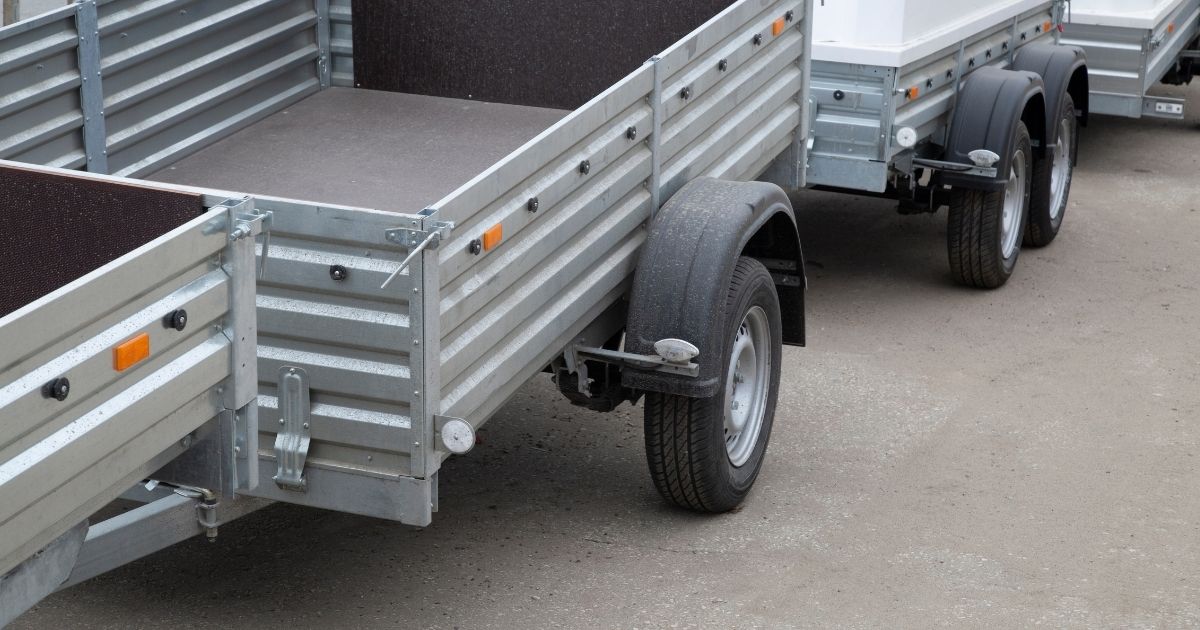
While the outfit stays modest, a standard car licence is enough. As soon as the caravan grows, or the car is already heavy, licence questions arrive quickly. In Great Britain the rules changed in December 2021, and a lot of the advice still circulating online is out of date.
Here is where the line actually sits today, and what still applies whatever your licence says.
What changed in December 2021
Since 15 December 2021, drivers holding a category B car licence in Great Britain can tow trailers up to 3,500 kg maximum authorised mass without taking a separate towing test. Category BE is now added automatically when a licence is issued or renewed.
Before that date, drivers who passed their car test after 1 January 1997 were limited to smaller combinations unless they sat the B+E test. That restriction no longer applies, which is why old forum threads and second hand advice are worth double checking against the current rules on GOV.UK.
What the rule means in practice
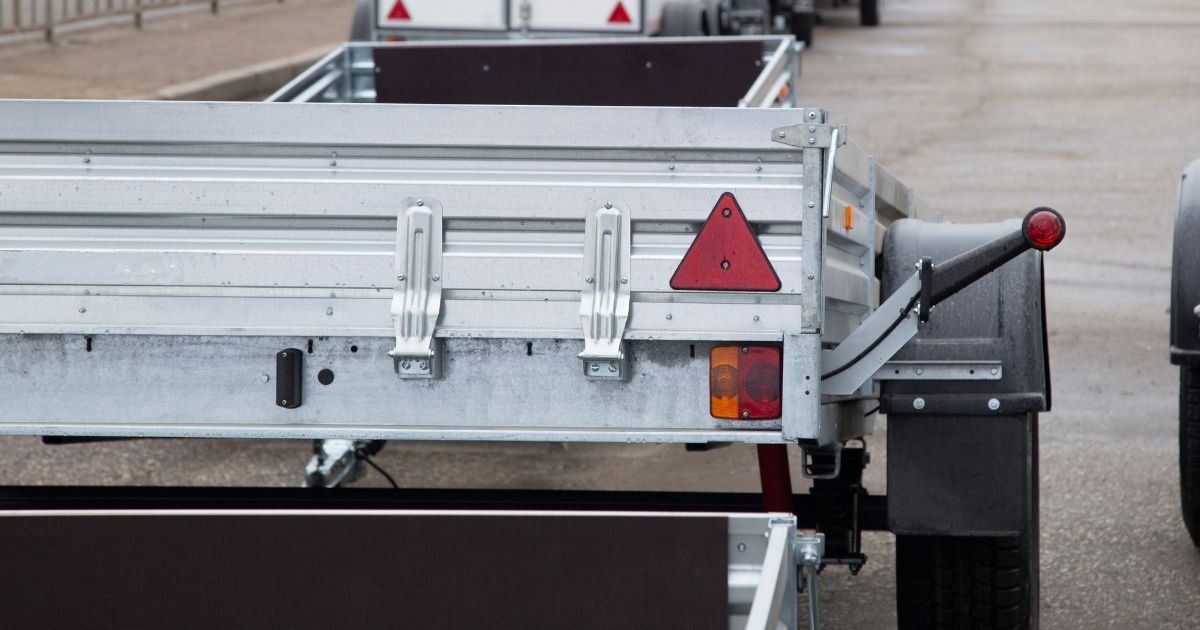
The trailer maximum authorised mass, the figure on the trailer plate, must not exceed 3,500 kg. Beyond that you move into lorry categories, which is a different world entirely.
Two points still catch people out. First, the driving licence is only one of the constraints. Second, the vehicle limits do not move because the licence rules changed: your car still has a braked towing capacity, a gross vehicle weight and a gross train weight, and those are what a roadside check will measure.
The checks that still apply
- The braked towing capacity of your exact engine, which stays the hard ceiling.
- The gross train weight, which caps the loaded car plus the loaded trailer together.
- Noseweight, which must stay inside the limits of the car, the towbar and the towball.
- The trailer plated mass, which is what counts, not what you think you loaded.
If any of those terms are unfamiliar, start with working out your towing capacity and gross vehicle weight and gross train weight.
Just because you may does not mean you should
The 2021 change removed a test, not the physics. A driver who has never reversed an outfit is now legally free to hitch up a large twin axle caravan, which is exactly the scenario the accredited voluntary training schemes were designed for. Trailer training courses remain widely available and are worth a day of anyone's time.
The stability side is covered by the 85 per cent guideline: the lighter the caravan relative to the car, the more forgiving the outfit when a lorry passes or the wind gets up.
Choosing a car with towing in mind
Buyers often think in terms of headline towing capacity alone, then discover that the version they picked is several hundred kilos short. Crossing three figures before signing avoids that: the braked capacity of the exact version, the gross vehicle weight of the car, and the plated mass of the trailer you have in mind.
The pages on this site give the first two, engine by engine, for instance on the Toyota Land Cruiser, the Volkswagen Touareg or the Kia Sorento. To browse more widely, the 2,500 kg and 3,000 kg rankings gather the most capable vehicles.
Questions that keep coming up
Do I need to do anything to get BE added? It is added automatically when the licence is issued or renewed. Check your licence categories online if you are unsure.
Does this apply everywhere? The change applies to Great Britain. Rules differ elsewhere, so check before towing abroad, and check the rules that apply in Northern Ireland separately.
What about trailers over 3,500 kg? That is beyond category BE and requires the relevant lorry entitlement.
What a roadside check looks at
A check on an outfit goes well beyond showing a licence. Three families of checks come up, and it is better to know them in advance than on the hard shoulder.
- Paperwork: licence with the right categories, vehicle and trailer documents, insurance certificate.
- Weights: the outfit may be weighed and compared against the plated masses of each part and the gross train weight.
- Equipment: an approved towbar properly locked, breakaway cable fitted, working lights and indicators, a legible trailer number plate, tyres in good condition.
The good news is that all of it can be checked in five minutes before leaving. The bad news is that a weight problem cannot be fixed at the roadside: you unload, or you call a second vehicle.
Planning for a bigger caravan
Many families move from a small caravan to a family model after a few seasons, as the children grow. That is exactly the moment when an outfit changes category, usually without anyone thinking about it.
So do the arithmetic before the dealership visit rather than after. Check the plated mass of the caravan you are considering against the towing capacity of the car you already own, and check what payload is left once everyone is aboard. Discovering the mismatch after signing is an expensive way to learn it.
In short
The towing test requirement has gone, the trailer mass ceiling of 3,500 kg has not, and none of the vehicle limits moved. Read the plates, check the version you actually drive, load carefully, and practise reversing somewhere quiet before the first holiday. Always check the V5C logbook before towing.