Plug-in hybrids and towing: good idea or not
11 Sep 2026 · by Jérémy Vaucher
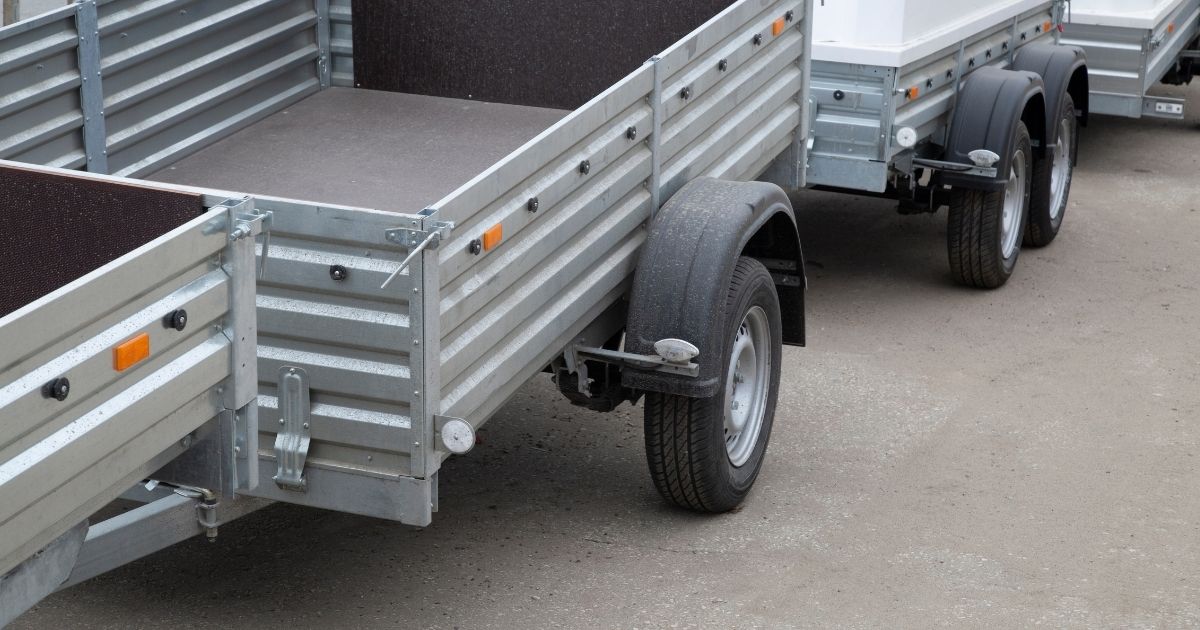
On paper a plug-in hybrid ticks a lot of boxes for towing: instant torque, a combustion engine as backup, favourable company car treatment and no range anxiety. The question is what it delivers once a caravan is on the back.
Here are the strengths, the limits, and how to compare without being sold the brochure.
What a plug-in hybrid genuinely brings
The first advantage is pulling away. The electric motor delivers torque instantly, which makes low speed manoeuvring remarkably easy: leaving a sloping pitch, placing a caravan on a tight plot, restarting on a hill without slipping a clutch.
The second is flexibility on the road. Combustion plus electric avoids constant downshifts and smooths out pull aways, which makes the outfit restful on a dual carriageway.
The limits to know

The battery empties quickly while towing. Once it is flat you are running on the engine alone, while carrying the weight of the battery and the electric machine. Over a long holiday run, most of the journey happens in combustion mode.
Consumption that follows is often higher than an equivalent diesel on a loaded motorway. Plug-in hybrids shine on short journeys and daily use, less so over a thousand kilometres with a caravan.
Weight cuts both ways
The battery adds several hundred kilos. For stability that is good news: a heavy tow car mechanically improves the mass ratio with the caravan and therefore the behaviour of the outfit.
For payload it is the opposite. Gross vehicle weight does not always rise as much as kerbweight, so the margin left for family and luggage can shrink. That is developed in payload explained.
Approved capacity, version by version
This is where attention pays. Within one model, the plug-in version does not automatically carry the same towing capacity as the combustion version. Sometimes it matches, sometimes it is lower, sometimes higher. No general rule applies.
The only reliable method is to read the figure for the exact powertrain. The pages on this site break every version down, for instance on the Ford Kuga, the Toyota RAV4, the Mercedes GLC or the BMW X5.
Plug-in, self charging hybrid or diesel
For mostly long distance use with a heavy caravan, diesel still has solid arguments: torque available early, stable consumption under load, comfortable range. For mixed use, with short daily trips and two or three big journeys a year, a plug-in hybrid makes sense.
The self charging hybrid sits between the two: nothing to plug in, but often a more modest towing capacity depending on the model. Once again the technical data decides, not the reputation of the technology. The pure electric case is covered in towing with an electric car.
Practical tips while towing
- Set off with a charged battery: it earns its keep on manoeuvres and the first stretch.
- Let the system manage its modes rather than forcing electric only while towing.
- Plan long descents: regeneration helps but does not replace a low gear.
- Check that an approved towbar is offered on the plug-in version, as it is not always the case.
Charging on holiday with a caravan attached
This is the practical point brochures never cover. A charging bay is designed for a car, not for a ten metre outfit. Many are angled, underground or at the end of an aisle, so unreachable without unhitching.
On a plug-in hybrid that is fortunately not a blocker: the car runs on the engine and charging stays a bonus. It is precisely the major difference with a pure electric car, where charging access shapes the whole itinerary.
In practice the best strategy is to charge once you have arrived, from a site hook up or a local charger with the caravan unhitched. You then get the electric benefit for short local journeys, which often account for most holiday mileage.
Running costs and resale
A plug-in hybrid costs more to buy than an equivalent combustion model. The gap closes if you charge regularly and your daily journeys fit inside the electric range. It does not close if the car mostly runs on the engine, with a flat battery and a caravan behind.
So do the sums on your real use rather than an average profile: daily mileage, home charging, number of long towing trips a year. Where towing dominates, a well chosen combustion engine often remains the more coherent choice, and sometimes the more capable one once the technical data is checked.
Questions to ask before you sign
- What is the braked towing weight of this exact version, rather than the range?
- Is a factory approved towbar offered on this powertrain?
- What payload is left once the options I want are fitted?
- Is a gross train weight quoted, and what margin does it leave over the gross vehicle weight?
- Is there a dedicated towing mode, and does it change how the battery is managed?
Those five questions take five minutes and prevent unpleasant surprises at handover. Ask for the answers on the order form rather than in conversation, especially the towbar: on some versions it is simply not offered.
In short
A plug-in hybrid is pleasant to tow with, thanks to instant torque and a weight that favours stability, but it excuses no checks. Look at the approved capacity of the exact version, the payload left over, then hold that against how you actually drive. To weigh up two candidates, the comparison tool puts them side by side. Always check the V5C logbook before towing.