Payload: how much you can really carry
26 Aug 2026 · by Jérémy Vaucher
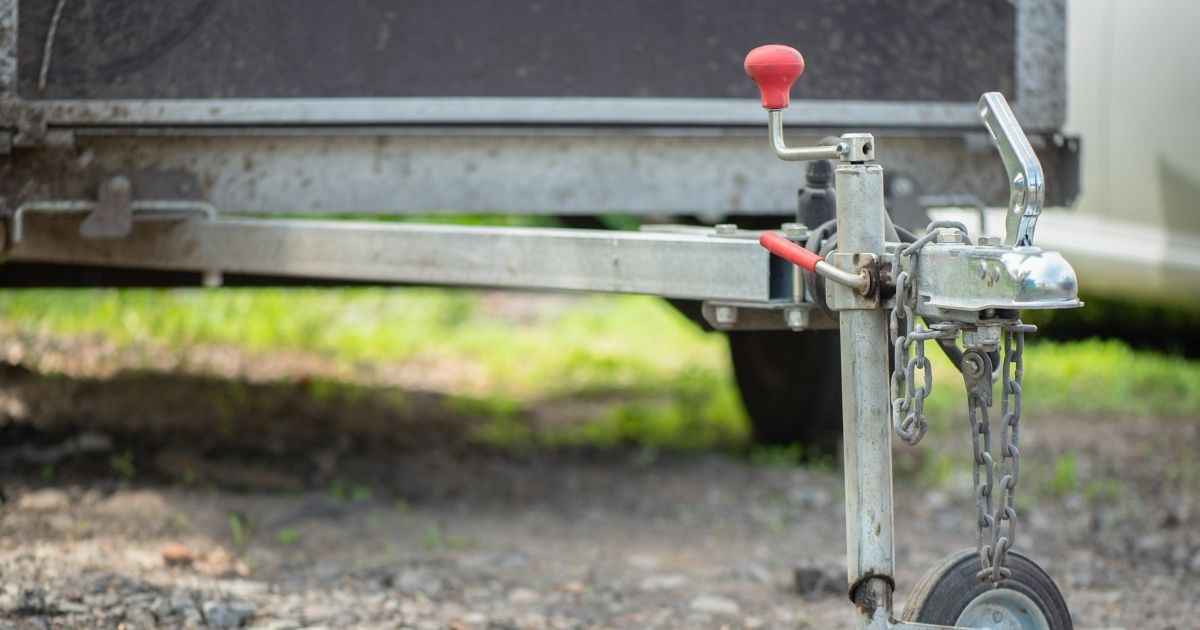
Everyone talks about what a car can tow, few about what it can carry. Yet payload is the first limit you hit when the family leaves for the holidays: everything you can add to the car without exceeding its gross vehicle weight.
The sum is a single subtraction, but the surprises are plentiful, especially once a trailer joins the equation.
The formula
Payload equals gross vehicle weight minus kerbweight. Both figures belong to your particular car with its options, not to the model brochure, and both appear on the manufacturer plate and in your vehicle documents.
The result covers everything the car accepts on top of itself: passengers, luggage, roof box, bars, dog, and if you are towing, the noseweight the caravan presses onto the towball.
What eats payload without anyone noticing
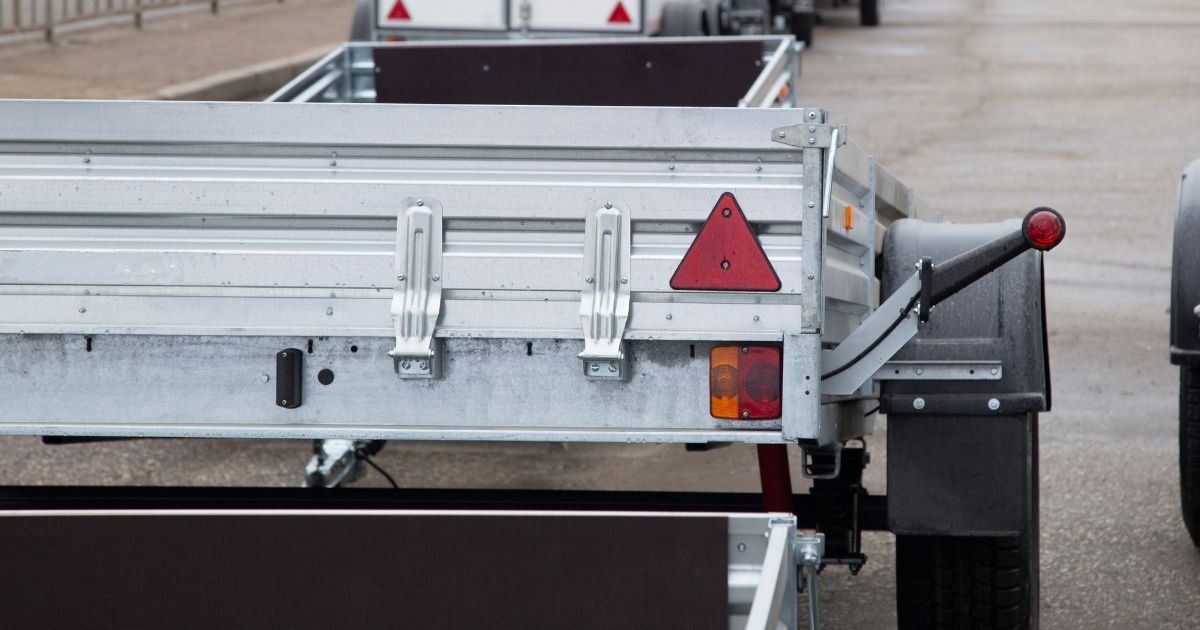
- Passengers, obviously, though families almost always underestimate them.
- A full tank of fuel, depending on the kerbweight definition used.
- The roof box and bars, which weigh something before you put anything in them.
- The cycle carrier and the bikes, electric bikes especially.
- Factory options: sunroof, large wheels, leather trim, towbar.
- Caravan noseweight, often several tens of kilos.
Added together, those items swallow a serious share of the available margin. Plenty of outfits set off overloaded without anyone intending it.
The direct link with towing
A car can be perfectly legal on towing capacity and illegal on weight. Noseweight sits on the car, so it counts against the gross vehicle weight. On a properly loaded caravan it is far from trivial.
That is why an outfit has to be checked on two fronts: what the car pulls, and what the car carries. The two limits are independent and both apply. The mechanics are covered in working out your towing capacity.
The heavy car paradox
A large SUV or an electric car is heavy before you load anything. Since gross vehicle weight does not always rise in the same proportion, payload can end up lower than on a more modest car. The big vehicle tows more but sometimes carries less.
So compare both figures before buying, not just towing capacity. The pages on this site give gross vehicle weight, kerbweight and payload for every engine, for instance on the Skoda Superb, the Peugeot 5008 or the Volkswagen Touran.
Weigh it, do not guess
Eyeballing is consistently optimistic. The reliable method is a public weighbridge, with the car loaded exactly as it will leave and the caravan hitched. You get the real weight of the loaded car, the weight of the whole outfit, and by subtraction the weight of the trailer.
Done once, that check becomes the reference for every holiday afterwards. It is often an eye opener, particularly on how weight is spread front to rear.
How to claw back margin
- Empty the car of everything that lives in it all year round.
- Move weight into the caravan while its own loading allows, keeping noseweight correct.
- Skip the roof box if the contents can travel elsewhere: it is weight up high, which hurts stability.
- Fill the water tank on arrival rather than before leaving.
- Carry fewer bikes, or choose a lighter cycle carrier.
What the law says
Exceeding the gross vehicle weight is an offence, and it stays one even if the car feels fine. At a roadside check the penalty does not depend on how it drove. On the insurance side, a clear overload can seriously complicate a claim after an accident.
Beyond the law, weight drives everything: stopping distances, roadholding, tyre wear, behaviour in an emergency swerve. A heavy, badly distributed outfit forgives far less.
Splitting the load between car and caravan
When car payload gets tight, the instinct is to move things into the caravan. That is often right, but it has limits of its own.
The caravan has its own payload, equal to its maximum technically permissible laden mass minus its mass in running order. It is usually narrower than owners expect, particularly on well equipped models. Transferring without counting simply moves the problem rather than solving it.
The second constraint is placement. Anything added at the rear of the caravan lightens the drawbar and hurts stability, anything added at the front raises noseweight and therefore the load carried by the car. The right compromise is heavy items low down, just ahead of the axle, with light items at the extremities.
Finally, some things travel better in the car even though they cost payload there: tools, chains, fragile equipment. The rule is simple, you distribute for balance, not just to push a number under a limit.
The most common calculation mistakes
- Using the brochure kerbweight when the car carries options that add weight.
- Forgetting noseweight, which counts against the car and not the trailer.
- Counting passengers at a notional weight rather than their real one, hand luggage included.
- Ignoring the weight of the empty roof box, the cycle carrier and the bars.
- Treating payload as a target to reach rather than a ceiling not to cross.
In short
Payload is the invisible limit of the holiday getaway. Take the gross vehicle weight and the kerbweight from your own paperwork, subtract, then compare with what you actually load. If the result is tight, lighten the load rather than hope. For reading the fields, see reading the V5C, and to weigh up several cars, the comparison tool shows the figures side by side. Always check the V5C logbook before towing.