SUV or estate for towing: which to choose
2 Sep 2026 · by Jérémy Vaucher
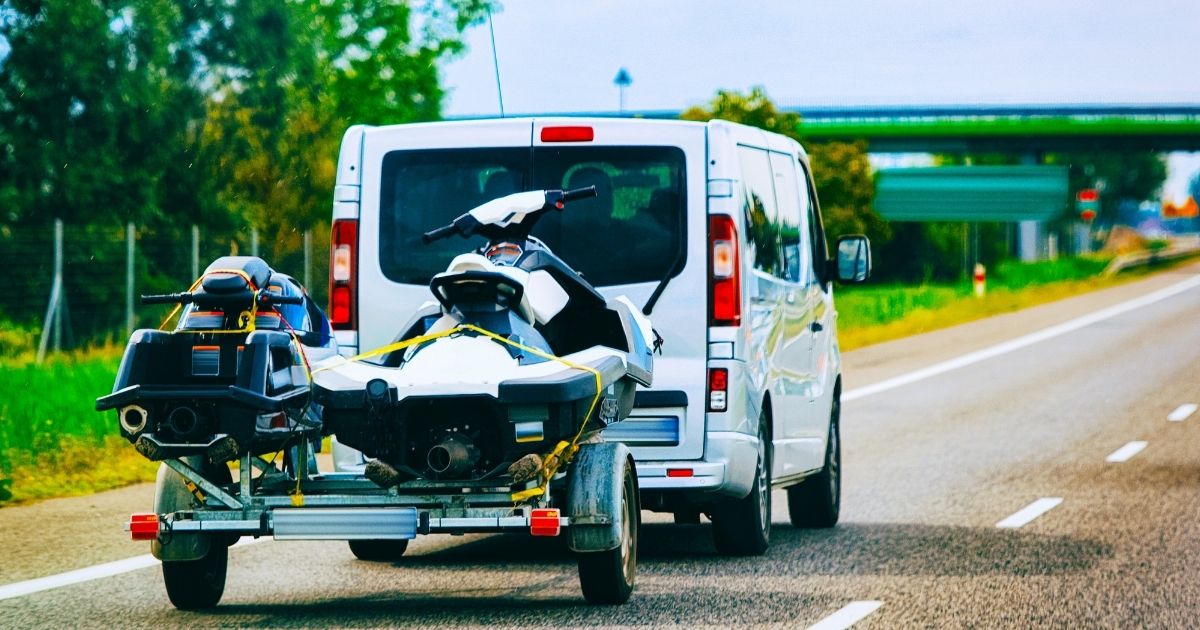
The SUV won the sales battle, the estate keeps the enthusiast vote. For towing a caravan both body styles work, but they do not behave the same way and they do not suit the same drivers.
Here is an honest comparison, criterion by criterion, with no axe to grind.
Ride height and stability
An estate has a lower centre of gravity. In a straight line at steady speed that changes almost nothing, but in an avoidance manoeuvre or a crosswind the car leans less and passes less movement into the trailer.
An SUV, on the other hand, often gives a towball height that suits a tall caravan better, which helps keep the drawbar level. A drawbar pointing up or down changes the balance and hurts the way the outfit behaves.
Towing capacity
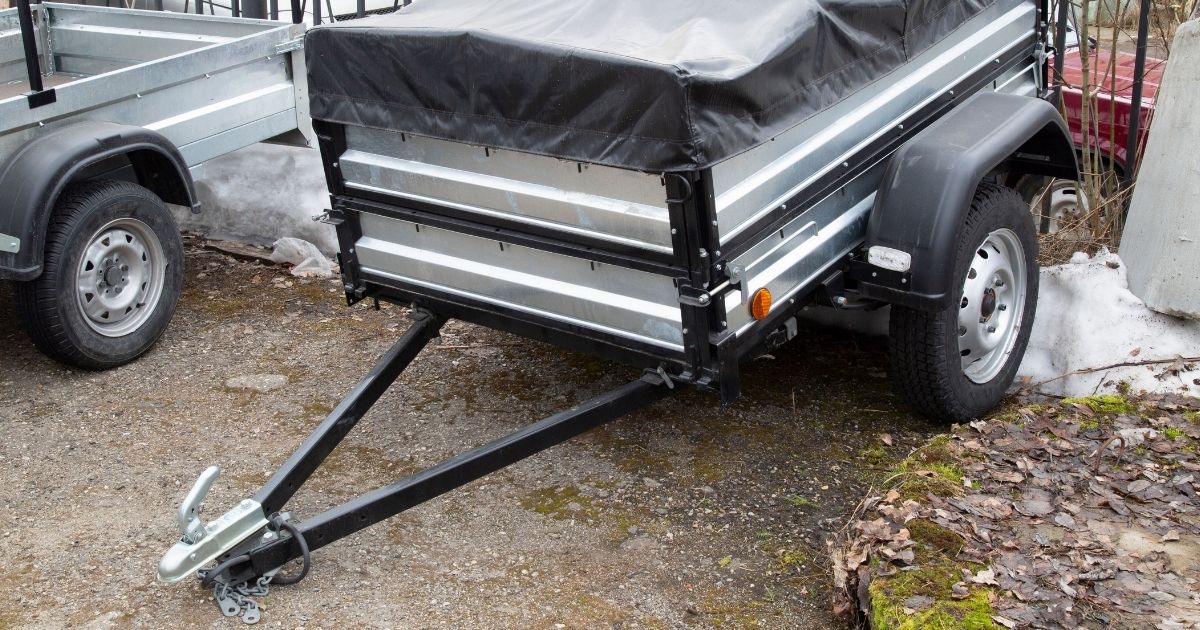
Contrary to popular belief, SUVs do not automatically tow more. On the same platform a diesel estate can match or beat the equivalent SUV, because capacity depends first on engine and drivetrain.
The only way to settle it is to compare exact versions. Open the Skoda Superb or the Mercedes C-Class Estate against the Skoda Kodiaq or the Hyundai Santa Fe: the gaps do not always run the way you expect.
Payload and space
The estate often wins on genuinely usable load space, because the boot is long and low. The SUV answers with height, handier for bulky items but less so for heavy loads you have to lift high.
On payload, the SUV starts with a kerbweight handicap. Between closely matched models the margin left for luggage can be more generous in the estate. That point is developed in payload explained.
Fuel consumption while towing
An SUV pushes a bigger frontal area through the air. Behind a caravan that difference is partly masked by the trailer itself, but it stays noticeable on the motorway, especially above 90 km/h.
So the estate keeps a running cost advantage with the same engine. Over a long holiday run it shows up at the pump.
Driving comfort and visibility
The SUV offers a high driving position, valued for keeping an eye on the outfit and reading traffic early. Mirrors are often better placed to see past a wide caravan, though extension mirrors are still needed in many cases.
The lower estate feels more settled and rolls less. On mountain roads that translates into a less tiring drive.
Four wheel drive
All wheel drive genuinely helps on a soggy pitch or a slipway. It exists on both body styles, but it is more widespread and often better engineered on the SUV side.
If your use is purely on road, it adds little to towing on dry tarmac while costing weight and a little fuel.
How to choose
- Start from the real loaded weight of your caravan.
- Filter capable versions using the rankings by capacity.
- Check the payload left once family and luggage are aboard.
- Look at towball height against the height of your caravan.
- Decide on how the car works when you are not towing, which is most of your mileage.
What about MPVs and leisure vans
The SUV versus estate debate usually forgets a third family that is very relevant to towing: MPVs and leisure activity vehicles. Their strength is volume per kilo. At comparable kerbweight they offer more interior space and often more payload, which counts when five people leave with a caravan.
Their limit is frontal area and the availability of the most capable engines, sometimes reserved for higher trims. Again, only the page for the exact version settles it: open the Volkswagen Touran, the Peugeot Rifter or the Citroën Berlingo and compare them with equivalent SUVs.
Think about the rest of the year
An outfit runs for a few weeks a year, the car runs every day. Choosing a body style purely on towing ability means optimising 5 per cent of your use and living with the other 95 per cent.
So put the everyday criteria next to the towing ones: parking, solo fuel consumption, access to the rear seats, servicing costs, residual value. A perfectly capable car that is tiresome day to day gets replaced before its towing advantage has paid for itself.
The sound approach is to filter first on the capacity you need, then choose within what remains on criteria that have nothing to do with towing. That is exactly what the rankings by capacity are for: they narrow the field, they do not decide for you.
Three profiles, three answers
A couple heading off twice a year with a small caravan, mostly on motorways, should look at the estate first: contained consumption, natural stability, a long boot for awkward items.
A family of five with a big caravan and bikes will generally be better served by an SUV or an MPV, for payload, towball height and rear seat space.
Anyone launching a boat, using tracks or dealing with soft ground needs all wheel drive and ground clearance, which means an SUV, with no real debate.
In all three cases the process is identical: start from the real weight to be towed, then check the exact version. Body style comes afterwards.
In short
The estate keeps the edge on stability, consumption and often payload. The SUV convinces with its driving position, a towball height suited to tall caravans and readily available all wheel drive. Towing capacities, though, have to be compared version by version, which is what the comparison tool is for. Always check the V5C logbook before towing.